


If you’ve ever dragged a stiff, kinked hose across your yard on a hot afternoon, you already know that not all garden hoses are created equal. The wrong choice can mean constant tangling, weak water pressure, or a hose that cracks after a single winter outdoors. The right one, on the other hand, can last a decade or more with minimal fuss.
Homeowners often assume a garden hose is a garden hose but material, diameter, length, and fittings all make a measurable difference in performance and durability. This guide breaks down exactly what to look for, so you can buy with confidence instead of guessing in the store aisle or scrolling through hundreds of look-alike listings online.
What Is a Garden Hose Made Of? (Materials Explained)
A garden hose’s material determines its flexibility, weight, price, and how well it holds up over time. Here’s how the main options compare.
Rubber Garden Hoses
Rubber hoses are the heavy-duty option. They stay flexible in cold weather, resist kinking, and typically outlast other materials by several years. The tradeoff is weight rubber hoses are noticeably heavier to drag around and a higher upfront price. They’re the go-to choice for anyone using a hose daily or living in a climate with cold winters.
Vinyl Garden Hoses
Vinyl is the budget-friendly, lightweight option. It’s easy to handle and simple to store, but it’s more prone to kinking and tends to stiffen or crack in cold temperatures. Vinyl works well for light, occasional use — think watering a few container plants on a patio but it’s not built for heavy daily wear.
Rubber-Vinyl Hybrid Hoses
Hybrid hoses blend both materials to offer a middle ground: lighter than pure rubber, more durable than pure vinyl. For most everyday homeowners doing regular yard watering and car washing, a hybrid hits the sweet spot between price and performance.
Polyurethane Hoses
Polyurethane is a newer, premium material known for being lightweight yet highly abrasion- and puncture-resistant. It costs more upfront but tends to require less maintenance and replacement over time, making it a solid long-term investment for frequent users.
Garden Hose Sizes and Lengths — What Do You Actually Need?
The right garden hose size depends on your water pressure needs and yard dimensions: a 1/2-inch diameter suits small yards and light watering, 5/8-inch is the standard all-purpose choice for most homes, and 3/4-inch delivers maximum flow for larger properties or heavy-duty tasks like filling pools.
Standard Diameter Options
- 1/2 inch: Best for small gardens, container watering, and light-duty tasks. Lower water flow.
- 5/8 inch: The most common residential size a good balance of flow rate and manageability.
- 3/4 inch: Delivers the highest flow, ideal for large properties, irrigation systems, or filling pools quickly. Heavier and less flexible.
Common Lengths
Garden hoses typically come in 25, 50, 75, and 100-foot lengths. To find the right length, measure the distance from your outdoor spigot to the farthest point you’ll need to water, then add 10–15 feet of buffer for maneuvering around obstacles.
Avoid the temptation to buy the longest hose available “just in case.” Excess length adds unnecessary weight, increases the chance of tangling, and can reduce water pressure at the nozzle end.
Key Features to Look For When Buying a Garden Hose
Beyond material and size, a handful of features separate a reliable hose from a frustrating one.
Kink Resistance
Kinks aren’t just annoying they choke off water flow and create stress points that weaken the hose over time. Look for reinforced or braided construction if kink resistance is a priority.
Burst Pressure (PSI Rating)
PSI (pounds per square inch) measures how much internal pressure a hose can withstand before failing. Most residential hoses are rated between 350–500 PSI, which is more than sufficient for standard household water pressure. Higher PSI ratings generally indicate a more durable, longer-lasting hose.
Fittings and Connectors
Brass fittings are more durable and less prone to leaking or cross-threading than plastic fittings, though they add some weight and cost. For a hose you’ll use for years, brass is typically worth the investment.
UV and Weather Resistance
If your hose will spend most of its life outdoors, UV-resistant materials prevent the sun from drying out and cracking the exterior a common reason hoses fail prematurely.
How to Choose the Right Garden Hose for Your Needs
Use this quick framework to match a hose to your situation:
| Use Case | Recommended Material | Recommended Length |
|---|---|---|
| Small garden or patio | Lightweight vinyl | 25–50 ft |
| Average residential yard | Rubber-vinyl hybrid | 50 ft |
| Large yard or farm | Rubber or polyurethane | 75–100 ft |
| Drinking water / RV use | Lead-free, drinking-water-safe hose | Varies |
| Cold-climate storage | Rubber (freeze-resistant) | Based on yard size |
If you’re watering vegetables or filling a pet’s water bowl, confirm the hose is labeled “drinking water safe” standard garden hoses are not certified for consumption and may contain trace materials unsuitable for drinking water.
Garden Hose Maintenance Tips (Extend Its Lifespan)
A little care goes a long way toward getting the most out of your hose investment.
Proper Storage
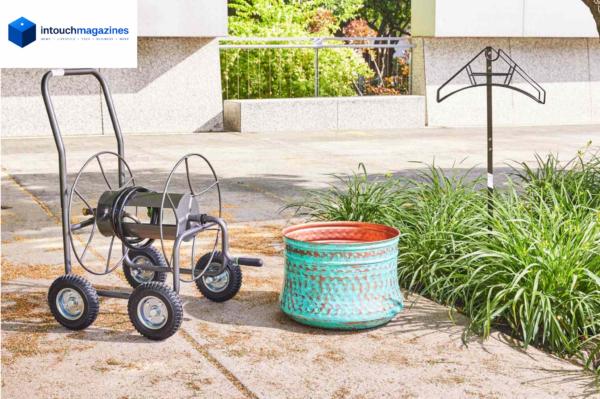
Coiling your hose on a reel or hanger rather than leaving it in a heap on the ground prevents kinks and reduces wear at stress points.
Winterizing
In freezing climates, drain all water from the hose and store it indoors or in a garage before the first hard frost. Water left inside can freeze, expand, and crack the hose from within.
Preventing and Fixing Leaks
Check fittings periodically for worn washers, which are a common and inexpensive source of leaks. Small punctures can often be repaired with a hose repair kit rather than requiring a full replacement.
Cleaning Debris from Fittings
Dirt and mineral buildup at the connectors can cause leaks or poor connections. A quick rinse or brush-clean of the fittings every so often keeps water flowing freely.
Frequently Asked Questions
Rubber and polyurethane hoses are generally the most durable, offering better kink resistance and longevity than vinyl. Vinyl remains a good budget option for light, occasional use.
A well-made hose can last 8–10 years or more with proper storage and winterizing. Cheaper vinyl hoses often need replacement within 2–3 years.
Measure from your spigot to the farthest watering point and add 10–15 feet. Most residential yards are well-served by a 50-foot, 5/8-inch hose.
Rubber is more durable, flexible in cold weather, and resists kinking better, but it costs more and weighs more. Vinyl is lighter and cheaper but less durable over time.
Only if it’s specifically labeled “drinking water safe.” Standard garden hoses aren’t certified for consumption and may not be safe for drinking.
Key Takeaways
- Material matters: rubber and polyurethane for durability, vinyl for budget and light use, hybrids for a balance of both.
- Size it right: a 5/8-inch, 50-foot hose covers most residential needs.
- Don’t skip the features: kink resistance, PSI rating, and brass fittings all affect long-term performance.
- Maintenance extends life: proper storage and winterizing can double a hose’s usable lifespan.
With these fundamentals in hand, you’re ready to choose a garden hose that fits your yard, your climate, and your budget without the trial and error.