


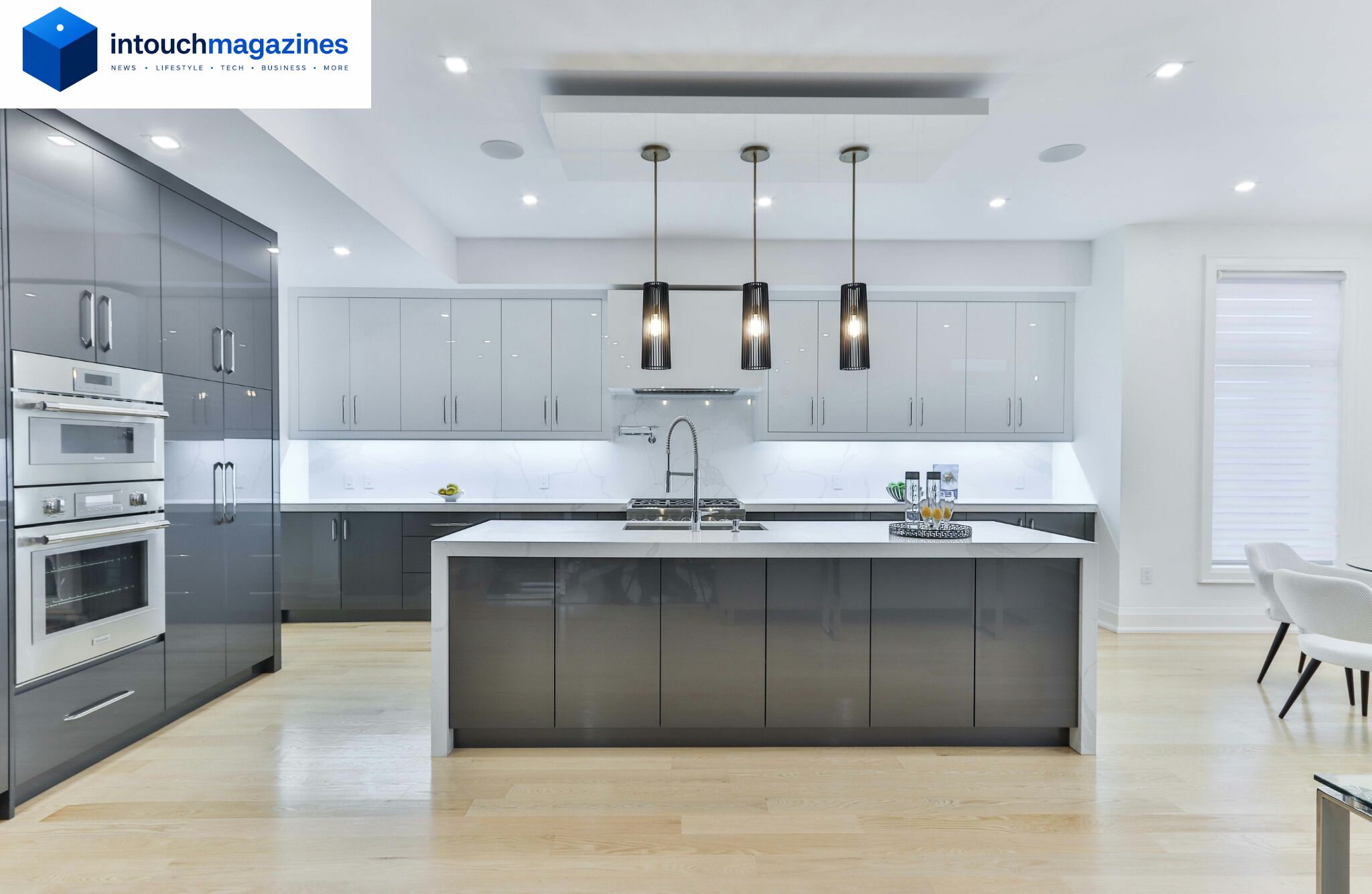
How to Choose Kitchen Cabinets: Materials, Layouts and Pricing Compared
Cabinets typically take up more visual space and budget in a kitchen than any other single element, yet many homeowners choose them based on appearance alone. That approach skips over how material, construction method and door style affect durability, cost and long term value. Cabinet terminology can also be confusing, since terms like framed versus frameless, solid wood versus engineered, and overlay types get used often but explained rarely. Pricing norms and popular styles vary by region too. This guide breaks down cabinet materials, construction types, door styles, layout considerations and realistic cost ranges, so you can compare options with a clear understanding of what you are actually paying for.
What Are the Main Types of Kitchen Cabinets
The main types of kitchen cabinets include stock cabinets, semi custom cabinets and custom cabinets, categorized by how much a buyer can modify size, material and finish. Builders also classify cabinets by construction method, framed or frameless, and by material, solid wood, plywood, MDF or laminate.
| Cabinet Type | Customization Level | Typical Lead Time |
|---|---|---|
| Stock | Fixed sizes and finishes | In stock or days |
| Semi Custom | Adjustable sizes and finish options | Several weeks |
| Custom | Fully built to specification | Weeks to months |
What Are Kitchen Cabinets Made Of
Solid Wood Cabinets
Solid wood cabinets use natural timber, commonly oak, maple, cherry or hickory, throughout the door and frame. They hold up well over time and take refinishing well, but they cost more than engineered alternatives and can expand or contract slightly with humidity changes.
Plywood Construction
Builders layer thin wood sheets to create plywood, which resists warping and moisture far better than particleboard. Many cabinet boxes use plywood for structural strength even when the doors use a different material.
MDF (Medium Density Fiberboard) Cabinets
Manufacturers compress wood fibers together to create MDF, an engineered wood product. It takes paint smoothly and resists warping, which makes it popular for painted cabinet doors, though it weighs more than solid wood and can suffer damage from prolonged water exposure.
Laminate and Thermofoil Finishes
Manufacturers apply laminate and thermofoil as surface finishes over a core material, usually particleboard or MDF, creating a consistent, easy to clean surface at a lower cost than solid wood. These finishes resist stains well but can peel or chip over time, particularly near heat sources.
Comparing Durability Across Materials
Solid wood generally lasts longest and ages well with proper care. Plywood offers strong structural durability at a mid range cost. MDF and laminate options cost less upfront but may show wear sooner, especially in humid climates or heavily used kitchens.
Framed vs Frameless Cabinet Construction
What Is a Framed Cabinet
A framed cabinet includes a face frame, a wood border attached to the front of the cabinet box, which the doors and drawers attach to. This style is common in traditional kitchen designs and offers a familiar, classic look.
What Is a Frameless Cabinet
A frameless cabinet, sometimes called European style, skips the face frame and attaches doors directly to the cabinet box. This construction typically offers a cleaner, more modern appearance and slightly more interior storage space.
Storage and Access Differences Between the Two
Frameless cabinets generally provide easier full access to the interior, since there is no center frame blocking part of the opening. Framed cabinets offer added structural rigidity, which some buyers prefer for stability, particularly with heavier cabinet doors.
Stock, Semi Custom and Custom Cabinets Compared
Stock Cabinets
Factories pre build stock cabinets in standard sizes and finishes, ready for quick purchase and installation. They work well for straightforward kitchen layouts and tighter budgets, though size and style options stay limited.
Semi Custom Cabinets
Semi custom cabinets start from a standard base but allow adjustments to size, finish, hardware and some layout details. This option balances cost against flexibility for kitchens with specific space requirements.
Custom Cabinets
A local shop or manufacturer builds custom cabinets entirely to the buyer’s specifications, covering exact dimensions, materials and design details. This option offers the most flexibility but comes with the highest cost and longest lead time.
Which Option Fits Different Budgets and Timelines
Stock cabinets suit buyers prioritizing speed and lower cost. Semi custom cabinets suit most standard kitchen renovations needing some flexibility without a full custom budget. Custom cabinets suit unusual layouts, specific material requests or buyers prioritizing exact design control over cost and speed.
Popular Kitchen Cabinet Door Styles
Shaker Style Doors
Shaker doors feature a simple recessed center panel with a clean, flat frame, making them one of the most widely used styles across both traditional and modern kitchen designs.
Flat Panel and Slab Doors
Flat panel, or slab, doors use a single flat surface with no raised detailing, giving kitchens a minimal, contemporary look. This style also tends to be easier to clean, since it has no grooves or recessed panels to trap dirt.
Raised Panel Doors
Raised panel doors feature a center panel that sits higher than the surrounding frame, creating visible dimension and detail. Designers commonly associate this style with traditional and classic kitchens.
Glass Front and Open Shelving Options
Glass front cabinets and open shelving sections let homeowners display dishware or decor openly, often used selectively alongside solid cabinetry to add visual variety to a kitchen.
Kitchen Cabinet Layouts and Storage Planning
Upper, Lower and Pantry Cabinet Configurations
Kitchen cabinets typically break down into upper wall cabinets, lower base cabinets and, where space allows, a tall pantry cabinet for additional storage. Balancing these three categories affects both storage capacity and overall kitchen flow.
Maximizing Storage With Pull Out and Corner Solutions
Pull out shelves, lazy Susans and corner cabinet organizers help make use of space that would otherwise be difficult to access, particularly in corner cabinets where reaching the back can be awkward.
Matching Layout to Kitchen Size and Workflow
Smaller kitchens generally benefit from maximizing vertical storage and minimizing wasted corner space. Larger kitchens have more flexibility to include a dedicated pantry cabinet or island storage alongside standard upper and lower cabinets.
How Much Do Kitchen Cabinets Cost
Factors That Affect Cabinet Pricing
Material choice, construction method, customization level, finish and regional labor costs all affect the final price of kitchen cabinets. Installation complexity, including kitchen layout and any required structural adjustments, also factors into total cost.
General Price Ranges by Cabinet Type
As a general guide, stock cabinets sit at the lower end of the pricing scale, semi custom cabinets fall in a mid range, and custom cabinets represent the highest cost tier. Exact figures vary significantly by country and region, so getting local quotes remains the most reliable way to budget accurately.
Additional Costs to Plan For
Beyond the cabinets themselves, budget for installation labor, hardware such as handles and hinges, and any finishing work like trim or molding. These additional costs can meaningfully affect the total project budget.
Kitchen Cabinet Prices by Region
United States
As of 2026, stock cabinets in the US typically cost $100 to $300 per linear foot, semi custom cabinets run $150 to $650 per linear foot, and custom cabinets range from $500 to $1,200 or more per linear foot. Most homeowners spend $5,000 to $20,000 on cabinets alone for a full kitchen. A national average lands around $9,000 to $12,000 installed for a typical 20 to 30 linear foot kitchen, before countertops or appliances.
India
Suppliers in India usually calculate pricing per square foot of cabinet elevation rather than linear foot. Basic modular kitchens typically run ₹1,200 to ₹3,000 per square foot, mid range kitchens run ₹3,000 to ₹5,500 per square foot, and premium kitchens with acrylic, PU or German hardware can reach ₹6,000 to ₹12,000 or more per square foot. Total project cost generally falls between ₹1.5 lakh for a small, basic kitchen and ₹12 lakh or more for a large premium setup. Costs also vary by city. Mumbai runs notably above the national average due to humidity driven material requirements and higher labor costs.
United Kingdom and Europe
In the UK, supply only cabinet costs generally range from £3,000 for a budget kitchen to £15,000 for a mid range kitchen, with bespoke or handmade kitchens pushing well past £30,000. A full kitchen renovation, including cabinets, worktops, appliances and fitting, typically falls between £10,000 and £20,000 for a mid range project. Pricing elsewhere in Europe follows a broadly similar pattern, with entry level cabinets starting around €100 to €300 per linear foot equivalent and premium frameless or solid wood cabinets reaching €700 to €1,500 or more. Exact figures still vary by country and local labor costs.
Other Regions
In Australia, Canada, the Middle East and other markets, cabinet pricing tends to track reasonably close to US and European ranges for similar materials and construction quality. Import costs, local labor rates and currency fluctuations can shift totals meaningfully in either direction. Since pricing data for these regions changes often and varies widely by country, getting at least two or three local supplier quotes remains the most reliable way to budget accurately, regardless of where you live.
Note: All figures above are general estimates current as of 2026 and will vary by city, supplier, material availability and currency fluctuation. Confirm current local pricing directly with suppliers before budgeting.
How to Choose the Right Kitchen Cabinets
Matching Cabinets to Your Budget and Timeline
Start by setting a realistic budget range and timeline. This narrows the choice between stock, semi custom and custom options before you even consider material or style preferences.
Considering Climate and Humidity When Choosing Material
In humid climates, materials more resistant to moisture and warping, such as plywood or properly sealed solid wood, tend to perform better over time than particleboard based options.
Questions to Ask Before Ordering Cabinets
Before ordering, ask about warranty coverage, expected lead time, what the base price includes versus what counts as an upgrade, and whether samples are available to review material and finish in person before committing.
Maintaining and Caring for Kitchen Cabinets
Everyday Cleaning Tips by Material
Solid wood cabinets generally need gentle, non abrasive cleaners to protect the finish. Laminate and thermofoil surfaces typically tolerate a wider range of cleaning products but should avoid prolonged exposure to heat, which can cause peeling.
Protecting Cabinets From Heat, Moisture and Wear
Keeping cabinets away from direct heat sources, wiping up spills promptly and using cabinet liners in high use drawers all help extend the lifespan of most cabinet materials.
When to Refinish, Reface or Replace Cabinets
Refinishing works well for solid wood cabinets with cosmetic wear but a sound structure. Refacing swaps out doors and veneer while keeping the existing cabinet boxes, which suits kitchens with a good layout but an outdated look. Full replacement makes sense once the cabinet boxes themselves show structural damage or the layout no longer fits the space.
Frequently Asked Questions
There is no single best material for every situation. Solid wood offers the longest lifespan and refinishing potential, plywood offers strong durability at a mid range cost, and MDF or laminate options offer lower upfront costs with somewhat shorter typical lifespans.
Well built cabinets, particularly solid wood or plywood construction with proper care, commonly last 20 years or more. Lower cost materials may need replacement or refacing sooner depending on use and climate conditions.
Yes, generally. Refacing keeps the existing cabinet boxes and only replaces doors, drawer fronts and veneer, which typically costs less than a full cabinet replacement, provided the existing boxes remain structurally sound.
Stock cabinets come in fixed standard sizes and finishes ready for quick installation. A shop builds custom cabinets entirely to a buyer’s specific dimensions and design requirements, at a higher cost and longer lead time.
Accurate cabinet sizing starts with precisely measuring your kitchen space, including wall dimensions, appliance placement and ceiling height. From there, work with a supplier or designer to confirm standard sizes will fit or whether you need semi custom or custom sizing.
Final Thoughts on Choosing Kitchen Cabinets
The right cabinets depend on balancing budget, durability needs and style preference, rather than any single material or type being the universal best choice. Measure your space, set a realistic budget range, and request samples or quotes from at least two or three suppliers before committing. Actual pricing and material performance can vary considerably depending on where you live and how your kitchen gets used.