


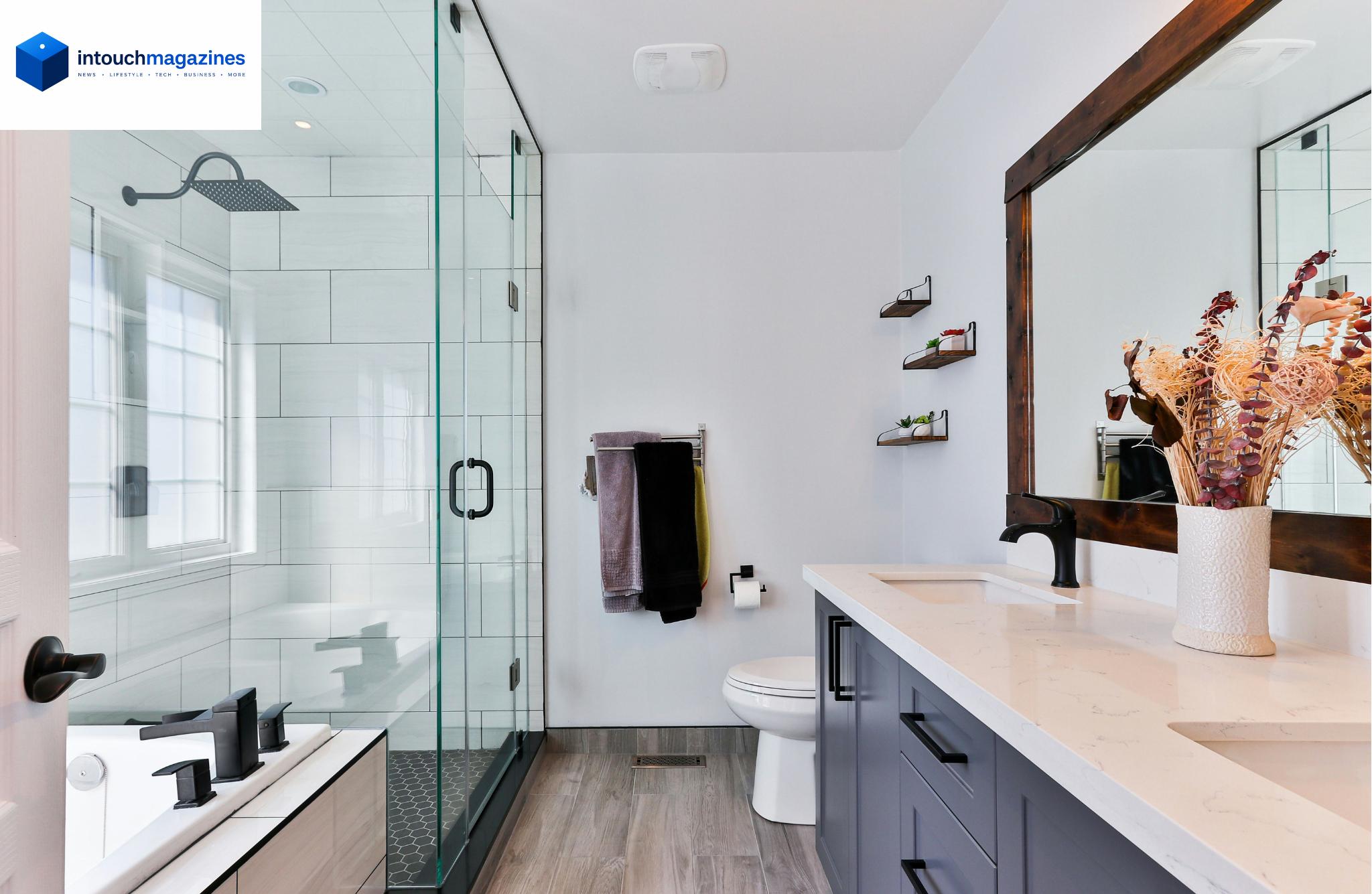
Renovating a bathroom is one of the most popular home improvement projects and one of the easiest to get wrong. Between unpredictable costs, contractors who overpromise on timelines, and a dizzying number of material choices, it’s easy to feel overwhelmed before you’ve even picked a tile.
The good news: a bathroom remodel doesn’t have to be a guessing game. With the right planning, you can control your budget, avoid common delays, and end up with a space that actually works for your daily routine not just one that looks good in photos.
This guide walks you through everything you need to know before you start: what a bathroom remodel really costs, how long it typically takes, the step-by-step planning process, popular design trends, mistakes to avoid, and whether it’s actually worth the investment.
What Is a Bathroom Remodel?
A bathroom remodel is a renovation project that changes the structure, layout, or major fixtures of a bathroom as opposed to a simple refresh, which involves cosmetic updates like paint or hardware. Remodels typically involve plumbing, electrical work, flooring, tiling, and fixture replacement, and range from minor updates to full gut renovations.
Types of bathroom remodels:
- Cosmetic refresh — new paint, fixtures, mirror, lighting; no structural changes
- Mid-range remodel — new vanity, tub/shower, flooring, and tile; layout stays mostly the same
- Full gut renovation — complete demolition down to the studs, often including layout changes and plumbing relocation
How Much Does a Bathroom Remodel Cost?
Cost is usually the first question homeowners ask, and for good reason bathroom remodels can range from a few thousand dollars to well over $30,000 depending on scope.
Average Cost by Remodel Type
- Cosmetic refresh: $1,500–$5,000
- Mid-range remodel: $10,000–$20,000
- Luxury or full gut renovation: $25,000–$60,000+
Nationally, most homeowners spend somewhere between $10,000 and $18,000 on a standard bathroom remodel, or roughly $150–$300 per square foot depending on materials and labor rates in your area.
Cost Breakdown by Category
- Labor: typically 20–35% of total budget
- Plumbing and electrical: 15–20%, higher if fixtures are relocated
- Tile and flooring: 15–20%
- Vanity, countertop, and fixtures: 15–25%
- Permits and miscellaneous: 5–10%
Factors That Increase Cost
- Moving plumbing lines or changing the room’s layout
- High-end materials like natural stone, custom cabinetry, or heated flooring
- Discovering water damage, mold, or outdated wiring once demolition begins
- Permit and inspection fees, which vary by city and county
- Structural changes, such as widening a doorway or removing a wall
Tip: Set aside a contingency fund of 10–20% of your total budget for unexpected issues hidden plumbing or subfloor damage is one of the most common surprises in older homes.
How Long Does a Bathroom Remodel Take?
Timeline depends heavily on scope and how quickly materials can be sourced.
Timeline by Project Scope
- Cosmetic refresh: a few days to 1 week
- Mid-range remodel: 2–4 weeks
- Full gut renovation: 4–8+ weeks
What Causes Delays
- Custom or backordered materials (tile, vanities, fixtures)
- Permit approval timelines, which vary by municipality
- Unexpected repairs discovered during demolition
- Contractor scheduling conflicts, especially during peak renovation season (spring and summer)
Building in an extra 1–2 weeks of buffer time on top of your contractor’s estimate will help set realistic expectations, especially if this is your only bathroom.
Bathroom Remodel Planning: Step-by-Step Process
1. Define Your Goals and Must-Haves
Start by separating functional needs from aesthetic wants. Do you need better accessibility, more storage, or improved ventilation? Or is this primarily a style upgrade? This distinction will guide every decision that follows.
2. Set a Realistic Budget
Research average costs for your remodel type and region, then build in a 10–20% contingency. Get quotes from at least two or three contractors before committing.
3. Choose Your Layout
Keeping your existing plumbing layout is the most cost-effective option. Moving a toilet, tub, or sink to a new location adds significant plumbing labor and cost, so weigh whether a layout change is truly necessary.
4. Hire the Right Professionals
Decide between a general contractor, a design-build firm, or managing subcontractors yourself. Ask potential hires about licensing, insurance, project timelines, and references from recent jobs.
5. Select Materials and Finishes
Prioritize durability in wet areas porcelain tile, quartz countertops, and moisture-resistant paint hold up better than trend-driven materials that aren’t built for humidity.
6. Secure Permits and Schedule Inspections
Most municipalities require permits for plumbing or electrical changes. Skipping this step can cause problems when you sell the home, so confirm requirements with your local building department before work begins.
Popular Bathroom Remodel Ideas and Trends
Layout and Space-Saving Ideas
Walk-in showers are increasingly replacing traditional tub/shower combos, especially in primary bathrooms. Floating vanities also help smaller bathrooms feel more open by keeping the floor visible.
Design Trends Worth Considering
Matte black and brushed gold fixtures, large-format tile with minimal grout lines, and curbless (zero-threshold) showers are among the most requested features right now.
Small Bathroom Considerations
In tight spaces, light-colored tile, large mirrors, and recessed storage create the illusion of more square footage without any structural changes.
Common Bathroom Remodel Mistakes to Avoid
- Skipping proper ventilation — leads to mold and moisture damage over time
- Underestimating plumbing and electrical costs — these are often the most expensive line items
- Prioritizing style over function — slippery tile or poor lighting can make a beautiful bathroom impractical
- Not budgeting a contingency fund — hidden damage is common, especially in older homes
- Ignoring permit requirements — unpermitted work can cause issues during a future home sale
Is a Bathroom Remodel Worth It?
In most cases, yes bathroom remodels consistently rank among the home improvements with the strongest return on investment. Cosmetic and mid-range remodels tend to recoup a higher percentage of their cost at resale than full luxury renovations, since buyers generally value a clean, functional, updated bathroom over high-end finishes.
If you’re remodeling primarily to sell, focus your budget on updated fixtures, neutral finishes, and good lighting rather than premium materials that may not appeal to the next buyer.
Frequently Asked Questions
A small bathroom remodel typically costs $5,000–$15,000, depending on whether it’s a cosmetic update or includes new plumbing, tile, and fixtures.
Most municipalities require a permit if you’re changing plumbing or electrical systems. Cosmetic updates like paint or fixture swaps usually don’t require one, but it’s best to confirm with your local building department.
Cosmetic updates like painting, replacing hardware, or installing a new mirror are manageable DIY projects. Plumbing, electrical, and tiling work generally require licensed professionals, both for safety and to meet code requirements.
The first step is defining your goals and budget before selecting materials or hiring a contractor. Knowing what you need functionally will shape every decision that follows.
Bathroom remodels typically recoup a strong percentage of their cost at resale, with mid-range and cosmetic updates generally offering a better return than luxury renovations.
Home improvement stores’ clearance sections, online marketplaces like Facebook Marketplace or Habitat for Humanity ReStore, floor-model sales, and end-of-season discounts are good sources for discounted fixtures, vanities, and tile. Just be sure any plumbing fixtures meet current code requirements before purchasing.
Start top to bottom: dust light fixtures and vents, then clean mirrors and surfaces, scrub the tub/shower and sink with a bathroom-safe cleaner, disinfect the toilet, and finish by mopping the floor. Weekly cleaning combined with quick daily wipe-downs of the sink and shower helps prevent soap scum and mildew buildup between deep cleans.