


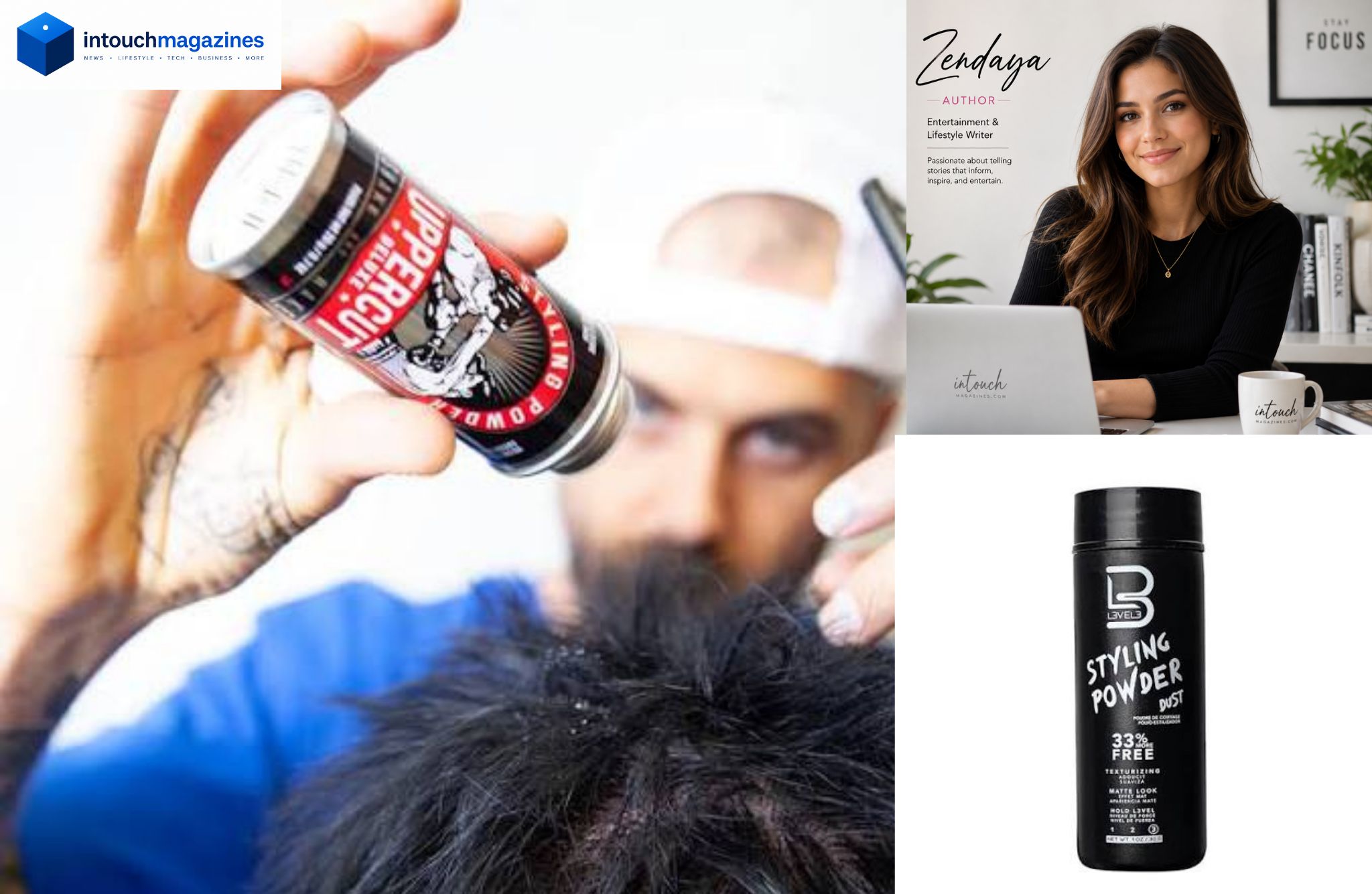
If you’ve ever piled on mousse, gel, and dry shampoo only to end up with hair that’s still flat by noon, you’re not alone. Most people assume the solution is more product when really, it’s the right product. Enter styling powder: a lightweight, fast-acting formula that professional stylists have relied on for decades to add instant volume, grip, and texture without weighing hair down.
In this guide, we’ll break down exactly what styling powder is, how it differs from similar products like dry shampoo and texture spray, and how to use it step by step whether you have fine hair that needs lift or thick hair that needs control.
What Is Styling Powder?
Styling powder is a lightweight, absorbent hair product typically silica or rice starch-based designed to add texture, volume, and light hold at the root or through the lengths of the hair. Unlike creams or gels, it works by coating individual strands in a fine, matte powder that increases friction between hairs, giving the appearance of thicker, fuller hair almost instantly.
It’s applied in small amounts, usually rubbed between the fingertips before being worked into dry hair, and it doesn’t require heat or water activation.
How It Differs from Dry Shampoo, Texture Spray, and Gel
It’s easy to lump styling powder in with other “quick fix” hair products, but each serves a different purpose:
- Dry shampoo is designed primarily to absorb oil and refresh the scalp any volumizing effect is secondary.
- Texture spray typically uses a light mist of salt or polymer to create tousled, beachy texture, often requiring a blow dryer for full effect.
- Gel provides strong, often stiff hold and shine, and usually needs to be applied to damp hair.
- Styling powder is unique in that it’s dry-applied, matte-finish, and built specifically for volume and grip rather than cleansing, shine, or heavy hold.
What’s Inside — Common Ingredients Explained
Most styling powders share a similar ingredient base:
- Silica – the most common texturizing agent; absorbs oil and adds grip
- Rice starch or cornstarch – found in gentler formulas, especially for fine or sensitive scalps
- Clay – added in some formulas for extra hold and a slightly matte, structured finish
- Fragrance and propellants – if the powder comes in an aerosol canister
Benefits of Using Styling Powder
Instant Volume Without Heat or Product Buildup
Because styling powder works by adding texture directly to the hair shaft, it creates volume in seconds — no blow dryer, diffuser, or heat styling required. This also means less thermal damage over time compared to volumizing methods that rely on heat.
Long-Lasting Hold with a Natural Finish
Unlike gels or waxes that can look shiny or feel stiff, styling powder dries down to a soft, matte finish that still allows hair to move naturally. It also tends to hold up well throughout the day, making it a popular choice for second- or third-day hair that’s lost its shape.
Other notable benefits include:
- Lightweight formula with no greasy residue
- Small, travel-friendly packaging (most come in shaker or spray canisters)
- Works well layered under or over other products like paste or spray
Who Should Use Styling Powder?
Styling powder isn’t limited to one hair type or gender it’s a versatile product, though it performs best in certain scenarios:
- Fine or thin hair that struggles to hold volume throughout the day
- Short-to-medium hairstyles that rely on texture, such as men’s crops, pixie cuts, or textured bobs
- Anyone wanting a matte, non-shiny finish instead of the sheen from gels or pomades
One note of caution: very curly or coily hair types may find styling powder less effective on its own, since these hair types often benefit more from moisture-based or curl-defining products. Styling powder can still be used sparingly at the roots for lift, but shouldn’t replace a full curl care routine.
How to Use Styling Powder (Step-by-Step)
Using styling powder correctly makes a significant difference in how natural or how obvious the result looks. Follow these steps:
- Start with dry or slightly damp hair
- Shake a small, pea-sized amount onto the roots or through the mid-lengths
- Rub your fingertips together briefly to distribute the powder evenly
- Work it through your hair with your fingers, focusing on the roots for lift
- Style as desired, adding a small amount more if extra texture is needed
That’s it most people see results within seconds of application, with no need to rinse, blow-dry, or wait for the product to set.
Common Mistakes to Avoid
Even a simple product like styling powder is easy to misuse. Watch out for these common errors:
- Using too much product – this is the most frequent mistake and often results in a visible white or gray residue, especially on darker hair
- Applying to fully wet hair – styling powder is designed for dry or slightly damp hair; on soaking-wet hair, it won’t distribute or activate properly
- Not distributing evenly – dumping powder directly onto one section without rubbing it between your fingers first can lead to patchy, uneven texture
Styling Powder for Different Hair Lengths and Styles
Short Hair and Crops
On short styles, styling powder works best applied directly to the roots to create spiked or textured looks with visible separation and lift.
Medium-Length and Layered Styles
For medium-length or layered hair, apply styling powder through the mid-lengths and ends rather than just the roots. This adds movement and definition without collapsing the overall shape.
Beards and Facial Hair (Bonus Use)
Some styling powders double as light volumizers for beards and facial hair, helping to add fullness and texture in patchy areas. If you’re using it on facial hair, apply an even smaller amount than you would on your scalp.
Styling Powder vs. Other Texturizing Products
| Product | Best For | Finish | Hold Level |
|---|---|---|---|
| Styling Powder | Root lift, matte texture | Matte | Light–Medium |
| Sea Salt Spray | Tousled, beachy waves | Textured, slightly gritty | Light |
| Texture Paste | Defined pieces, separation | Semi-matte | Medium–Strong |
| Dry Shampoo | Oil absorption, refresh | Matte | Minimal |
For best results, many people combine products for example, using styling powder at the roots for lift and a texture paste through the ends for definition.
How to Choose the Right Styling Powder
For Fine or Thin Hair
Look for silica- or rice starch-based formulas, which are lightweight and won’t overwhelm delicate strands. A little goes a long way, so choose a product with a fine, controllable shaker or spray nozzle.
For Thick or Coarse Hair
Thicker hair types can typically handle stronger-hold clay-powder blends, which offer more structure and control throughout the day. Fragrance-free options are also worth considering for anyone with a sensitive scalp, regardless of hair thickness.
Frequently Asked Questions
When used as directed and not overapplied, styling powder is generally considered safe for regular use. Because it doesn’t require heat, it’s often gentler on hair than heat-based volumizing methods.
Yes, most styling powders are designed for regular use. However, it’s still good practice to wash hair regularly to prevent product buildup at the scalp.
It can, but it works best as a supplementary product for root lift rather than a primary styler for curls, which typically need more moisture-focused products.
No. Dry shampoo is designed mainly to absorb oil and refresh the scalp, while styling powder is designed to add volume and texture. Some products combine both functions, so it’s worth checking the label.
A pea-sized amount is enough for most hair types and lengths. You can always add more if needed, but starting small helps avoid visible residue.
Final Thoughts
Styling powder is one of the simplest ways to add volume, texture, and grip to your hair without heat, water, or a long routine. Whether you’re dealing with fine hair that falls flat by midday or you’re after a matte, textured finish for a short crop, a small amount of the right powder can make a noticeable difference in seconds.
If you’re ready to try it for yourself, explore our guide to the best styling powders for men and women to find a formula suited to your hair type.