


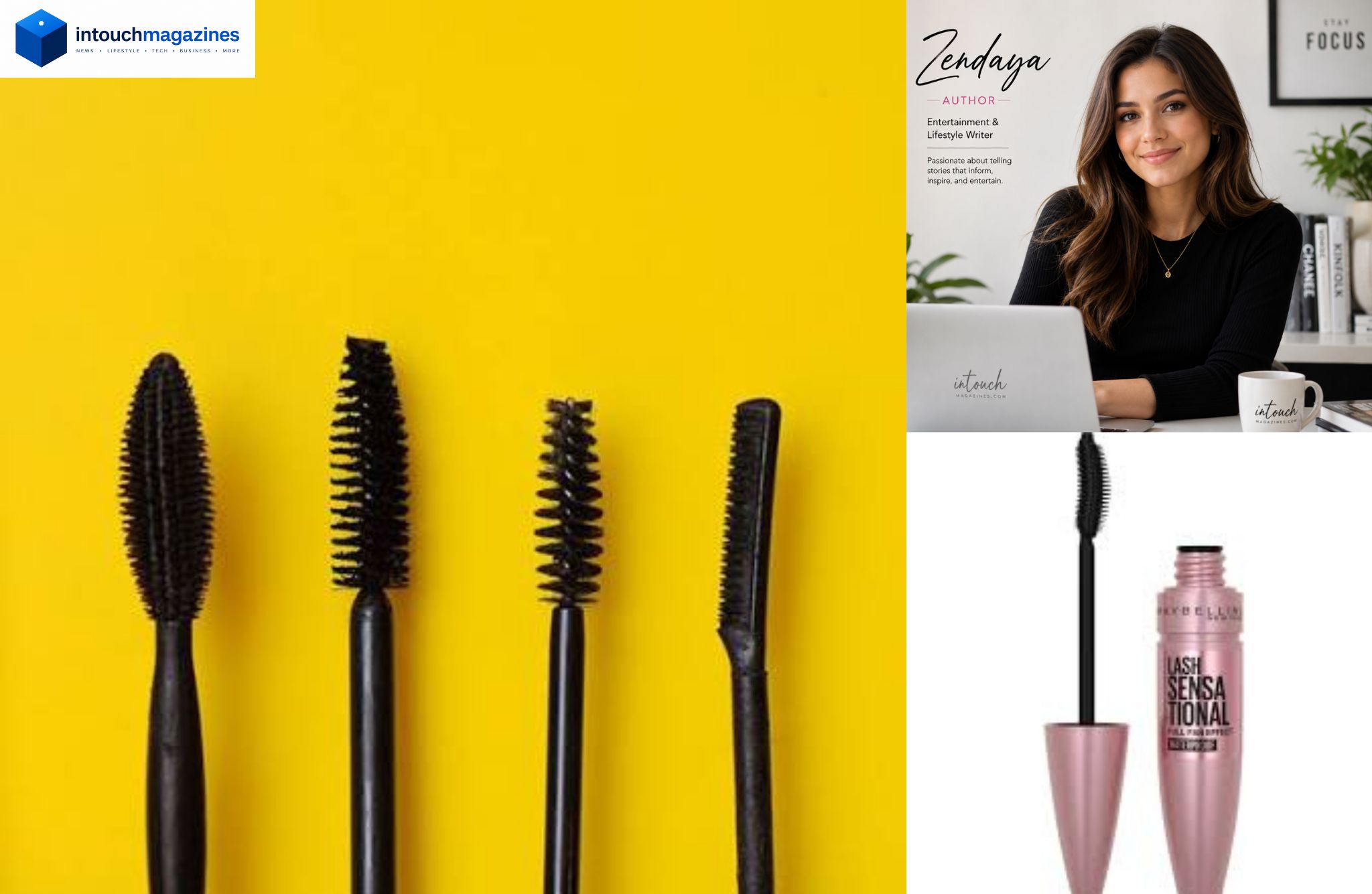
Standing in the beauty aisle or scrolling through dozens of options online it’s easy to feel overwhelmed by mascara choices. Waterproof, volumizing, lengthening, tubing, drugstore, luxury the options seem endless, and it’s not always clear which one will actually work for your lashes.
Here’s the truth: mascara is one of the most widely used beauty products in the world, yet most people are still applying it incorrectly or reaching for the wrong formula for their lash type. This guide covers everything you need to know the different types of mascara, how to apply it correctly, how much you should expect to pay, and how to choose the right one for your lashes and lifestyle.
What Is Mascara and How Does It Work?
Mascara is a cosmetic product designed to darken, thicken, lengthen, and/or curl eyelashes, giving them a more defined and dramatic appearance. It’s applied with a wand that deposits pigmented formula onto the lashes, coating each strand to enhance its natural shape.
Key Ingredients in Mascara Formulas
Most mascara formulas are built around a similar base structure:
- Waxes (such as beeswax or carnauba wax) provide structure and help the formula cling to lashes
- Pigments, typically iron oxides, deliver color most commonly black or brown
- Polymers create hold, volume, and water resistance depending on the formula
- Fibers, found in some lengthening formulas, physically extend the appearance of the lash tip
Formulas vary widely between traditional cream-based mascaras and newer fiber or tubing technologies, which we’ll break down next.
Types of Mascara Explained
Volumizing Mascara
Volumizing mascaras use a thicker formula and a fuller brush to build up density along the lash line, making lashes appear fuller and darker. These are ideal for anyone with thin or sparse lashes looking for more visual impact.
Lengthening Mascara
Lengthening formulas tend to be thinner in consistency and often contain fine fibers that extend past the natural lash tip. These work well for those with short lashes who want more length without heavy volume.
Waterproof vs. Regular (Water-Resistant) Mascara
Waterproof mascara uses polymer-based formulas designed to resist water, sweat, and humidity, making it ideal for workouts, swimming, or emotional days when smudging is a concern. The trade-off is that waterproof formulas are typically harder to remove and require a dedicated makeup remover. Regular mascara, by contrast, is water-resistant at best and removes more easily with standard cleansers.
Tubing Mascara
Tubing mascara works differently than traditional formulas instead of coating the lash with pigment, it forms a thin, flexible “tube” around each individual lash. This technology removes cleanly with warm water alone, making it a popular choice for those with sensitive eyes or contact lenses, as there’s no need for rubbing or oil-based removers.
How to Choose the Right Mascara for Your Lashes
For Short or Sparse Lashes
Prioritize lengthening formulas with fine-bristled brushes that can reach and coat even the shortest lashes without clumping.
For Long but Thin Lashes
Look for volumizing formulas paired with thicker, fuller brushes designed to build density and make lashes appear fuller from root to tip.
For Sensitive Eyes or Contact Lens Wearers
Tubing mascaras or ophthalmologist-tested formulas are generally the safer choice, as they tend to avoid heavy fragrance and minimize fiber shedding that can irritate the eyes throughout the day.
How to Apply Mascara the Right Way
Getting the most out of any mascara comes down to technique. Follow these steps for a clean, buildable application:
- Curl lashes before applying, if desired
- Wipe excess product off the wand before bringing it to your lashes
- Wiggle the brush at the base of your lashes, then sweep upward to the tips
- Apply a second coat while the first is still slightly tacky for added volume
- Use a lash comb to separate any clumps for a more even finish
Common Mascara Application Mistakes
Even experienced makeup users fall into these habits, which can affect both the look and lifespan of your mascara:
- Pumping the wand in and out of the tube — this introduces air into the formula, causing it to dry out and clump faster than it should
- Applying too many coats at once — layering mascara without letting each coat set slightly can lead to clumping and an unnatural, spidery look
- Skipping or over-applying to lower lashes — lower lashes need only a light touch; heavy application here can look unnatural and transfer under the eyes
Mascara Pricing: What to Expect by Type and Brand Tier
Mascara pricing varies significantly depending on the brand tier, formula complexity, and where it’s purchased. Here’s a general breakdown to help set expectations:
| Brand Tier | Typical Price Range | What You’re Paying For |
|---|---|---|
| Drugstore | $6–$15 | Accessible formulas, basic volumizing/lengthening options |
| Mid-Range / Clean Beauty | $18–$28 | Skincare-infused ingredients, cruelty-free/vegan formulas, niche brush designs |
| Prestige / Luxury | $25–$40+ | Advanced formulas, designer packaging, brand reputation |
A few pricing notes worth keeping in mind:
- Higher price doesn’t always mean better performance many drugstore mascaras perform on par with luxury options in reviews and testing
- Specialty formulas (tubing, waterproof, or clean-ingredient mascaras) often sit at a higher price point due to more complex formulation
- Limited-edition or collaboration mascaras can carry a premium price without necessarily offering different core performance
If budget is a priority, it’s often worth trying a well-reviewed drugstore option before investing in a prestige formula, since lash needs and preferences can vary significantly from person to person.
How Long Does Mascara Last (And When to Replace It)?
As a general rule, mascara should be replaced every 3 months once opened, primarily due to bacteria buildup from repeated use near the eye. Signs it’s time to toss your mascara include:
- A dry, clumpy texture that won’t smooth out
- A noticeable change in smell
- Difficulty applying evenly, even with a fresh coat
Using expired mascara isn’t just a performance issue it also raises the risk of eye irritation or infection, which is especially important to keep in mind if you wear contact lenses.
How to Remove Mascara Without Damaging Lashes
Removing Waterproof Mascara
Waterproof formulas typically require an oil-based makeup remover to fully dissolve the product without excessive rubbing, which can weaken lashes over time or contribute to lash loss.
Removing Tubing Mascara
Tubing mascara is designed to slide off with warm water alone. Simply soak a cotton pad or splash warm water directly on the lashes, and the “tubes” should loosen and remove without needing to rub.
In both cases, avoid tugging or scrubbing at the eye area gentle, patient removal helps protect the health and longevity of your natural lashes.
Mascara Tips for Long-Lasting, Smudge-Free Wear
A few small adjustments can significantly extend your mascara’s wear throughout the day:
- Try the “sandwich” technique apply mascara, a light layer of setting powder, then a second coat of mascara for extra hold and volume
- Avoid touching or rubbing your eyes throughout the day, which is one of the most common causes of smudging
- Choose a waterproof formula specifically for humid climates, workouts, or long event days
Frequently Asked Questions.
Most experts recommend replacing mascara every 3 months to avoid bacteria buildup and reduce the risk of eye irritation.
Not inherently, but because it requires more effort to remove, improper removal (like excessive rubbing) can weaken lashes over time. Using a proper oil-based remover minimizes this risk.
Standard mascara does not promote lash growth it only enhances the appearance of existing lashes. Lash growth serums are a separate category of product formulated specifically for that purpose.
Tubing mascara forms a removable “tube” around each lash and comes off with warm water alone, while regular mascara coats the lash with pigment and typically requires a makeup remover or cleanser to take off.
Yes, mascara is generally safe for daily wear as long as it’s applied and removed properly, and replaced regularly to avoid bacteria buildup.
Final Thoughts
The “best” mascara ultimately depends on your lash type, lifestyle, and desired finish whether that’s dramatic volume, added length, or long-lasting waterproof wear. Beyond choosing the right formula, proper application and gentle removal play just as big a role in how your lashes look and how healthy they stay over time.
Whether you’re reaching for a budget-friendly drugstore pick or investing in a prestige formula, understanding what you’re paying for and how to use it correctly will help you get the most out of every coat.


1 Comment
Pingback: Marc Jacobs: The Designer and Brand, Fully Explained