


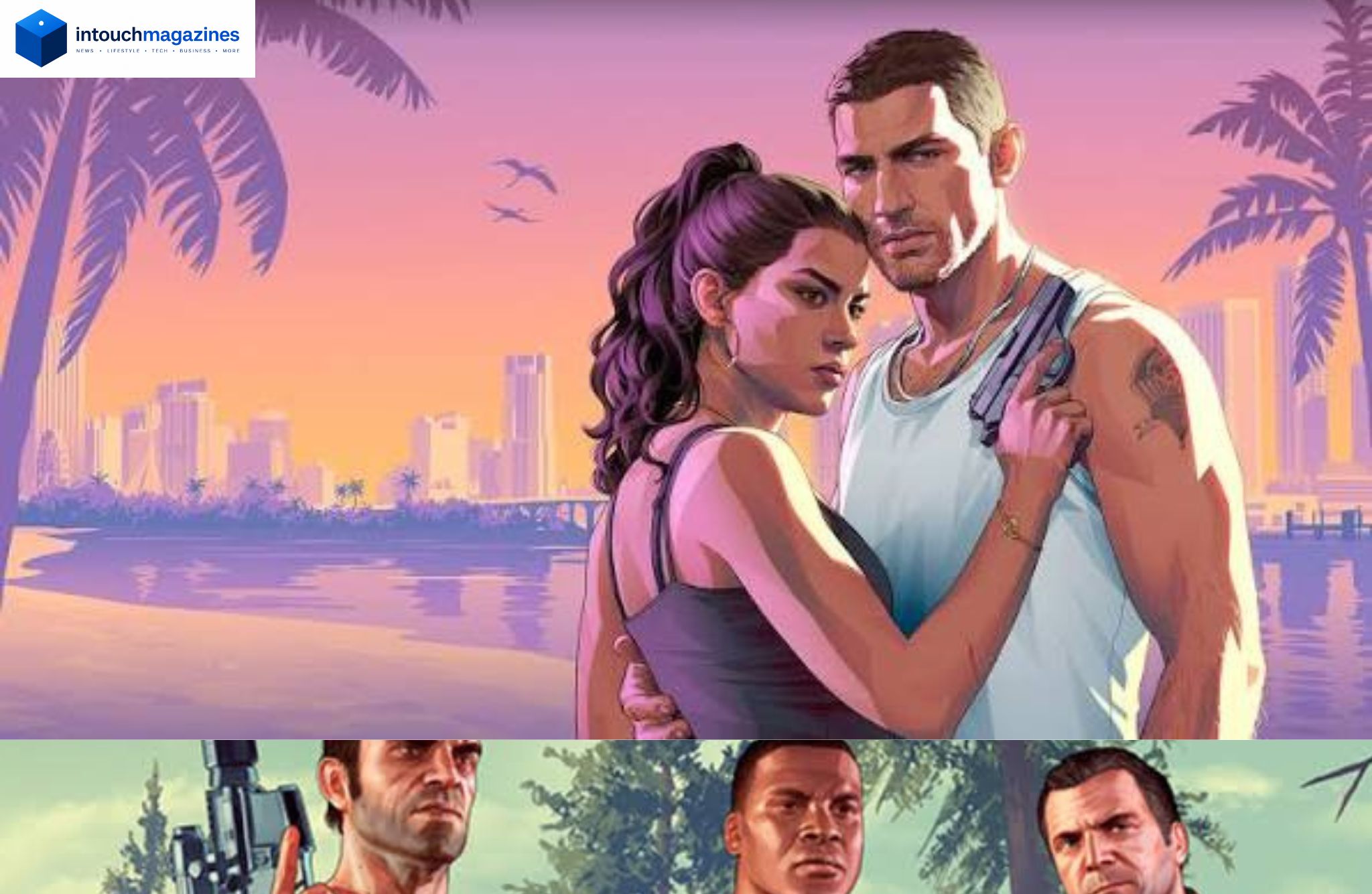
Few names in gaming carry as much weight as Grand Theft Auto. Even people who have never touched a controller recognize the title, and that alone says something about its cultural reach. Since its debut in 1997, the franchise has grown from a simple top-down crime game into one of the best-selling and most talked-about entertainment properties in the world.
Along the way, GTA has sparked as much fascination as controversy. Its open-world freedom, sharp satire, and cinematic storytelling have earned it a dedicated global fanbase, while its violence and mature content have fueled decades of public debate. So what exactly is Grand Theft Auto, how did it get here, and what should you know before diving in? This guide covers the full picture history, games, online play, controversies, and what’s next so you can understand the franchise from every angle.
What Is Grand Theft Auto?
Grand Theft Auto is an open-world action-adventure video game franchise developed primarily by Rockstar North and published by Rockstar Games. Players explore sprawling, fictional cities inspired by real-world locations, complete story-driven missions, and interact with a living, reactive world filled with vehicles, characters, and side activities.
At its core, GTA blends driving, combat, and narrative freedom in a way few franchises have matched. Because of that combination, it’s widely considered one of the most influential and genre-defining series in gaming history.
Who Developed Grand Theft Auto?
Rockstar North, based in Edinburgh, Scotland, leads development on the mainline GTA titles, working alongside other Rockstar studios around the world. Take-Two Interactive owns Rockstar Games as its parent publisher and has backed the franchise since its earliest days, helping it grow into one of the most commercially successful entertainment brands ever created.
The Meaning Behind the Name
The term “grand theft auto” actually comes from real-world legal language, referring to the criminal act of stealing a motor vehicle. Rockstar borrowed the phrase directly for the game’s title since vehicle theft, crime, and chaos sit at the center of the gameplay experience a fitting name for a series built around lawless, open-world freedom.
The History of GTA — From 2D to Open-World Icon
The original Grand Theft Auto launched in 1997 with a top-down 2D perspective, a far cry from the sprawling 3D cities players know today. Even in that early form, the game stood out for letting players choose how to approach missions legally or otherwise which set the tone for everything that followed.
Everything changed with the release of Grand Theft Auto III in 2001. By shifting to a fully realized 3D open world, Rockstar didn’t just upgrade the graphics it redefined what an open-world game could be. Each subsequent release pushed technical and narrative boundaries further, culminating in the massive, densely detailed worlds seen in more recent entries.
The Evolution of Open-World Gameplay
GTA’s influence extends well beyond its own games. Its open-world structure, mission design, and freedom of player choice helped shape an entire genre, inspiring titles like Watch Dogs, Saints Row, and Assassin’s Creed. Because so many later games borrowed from GTA’s blueprint, it’s fair to call the franchise a foundational influence on modern open-world design.
Grand Theft Auto Games in Order
Across nearly three decades, Rockstar has released several mainline entries, along with spin-offs and expansions. Here’s the chronological lineup of the core series:
- Grand Theft Auto (1997)
- Grand Theft Auto 2 (1999)
- Grand Theft Auto III (2001)
- Grand Theft Auto: Vice City (2002)
- Grand Theft Auto: San Andreas (2004)
- Grand Theft Auto IV (2008)
- Grand Theft Auto V (2013)
In addition to these mainline titles, Rockstar has released several notable spin-offs, including Grand Theft Auto: Chinatown Wars and Grand Theft Auto: Liberty City Stories, which expanded the series onto handheld platforms.
GTA III, Vice City, and San Andreas — The PS2 Era
Many longtime fans consider this trilogy the franchise’s golden age. Each entry built on the last GTA III introduced full 3D open-world gameplay, Vice City layered in 1980s style and atmosphere, and San Andreas expanded the map dramatically while adding RPG-style character progression. Together, they cemented GTA’s reputation as a genre leader.
GTA IV and GTA V — The Modern Era
Grand Theft Auto IV shifted the series toward a more grounded, realistic tone, both narratively and visually. Then Grand Theft Auto V arrived in 2013 and took things even further, introducing three playable protagonists, an enormous open world, and perhaps most significantly GTA Online, which transformed the franchise’s long-term trajectory.
GTA Online — The Multiplayer Experience
GTA Online launched alongside Grand Theft Auto V and has since evolved into a standalone live-service experience in its own right. Rather than a simple multiplayer add-on, it now functions as an ongoing platform, complete with heists, businesses, property ownership, and deep character customization.
Because Rockstar continues to support it with regular updates, GTA Online remains commercially significant more than a decade after launch a rare feat in an industry where most games fade after a few years.
How GTA Online Keeps Players Engaged
Rockstar sustains player interest through frequent content drops, seasonal events, and an evolving in-game economy. New heists, vehicles, and storylines regularly refresh the experience, while community-driven activities keep engagement high even years after release.
What’s Next — Grand Theft Auto 6
Anticipation for Grand Theft Auto 6 (GTA 6) has reached levels rarely seen in gaming. Rockstar’s official announcements and trailers have generated enormous buzz, reflecting just how much cultural weight the franchise still carries.
That said, details around release timing and specific features continue to evolve. Since Rockstar periodically updates its plans, readers should check official Rockstar Games channels for the most current and accurate information rather than relying on speculation.
GTA Age Rating and Content Concerns
The Entertainment Software Rating Board (ESRB) rates Grand Theft Auto games “Mature 17+,” reflecting the series’ mature content. This rating stems from intense violence, strong language, sexual content, and drug references woven throughout the gameplay and story.
Is GTA Appropriate for Kids or Teens?
Because of its mature content, GTA isn’t designed for younger audiences. Parents and guardians should reference official ESRB or PEGI guidance when deciding whether the game fits their household, since these organizations provide detailed, standardized breakdowns of the content involved.
Common Criticisms and Controversies
Since its early releases, GTA has faced ongoing criticism and public debate. Discussions around violence in media, several high-profile lawsuits, and broader cultural commentary have followed the franchise for decades.
Rockstar has consistently framed the series as satire a exaggerated commentary on American culture, consumerism, and crime though public perception hasn’t always aligned with that intent. These conversations continue today, particularly around representation and realism in open-world games, and remain an active part of the broader dialogue about video games in culture.
How GTA Compares to Other Open-World Franchises
| Franchise | Known For | How It Differs from GTA |
|---|---|---|
| Grand Theft Auto | Satire, driving mechanics, crime narratives | Sets the genre standard for open-world freedom |
| Red Dead Redemption | Western setting, narrative depth | Same developer, slower-paced and more story-focused |
| Saints Row | Over-the-top humor, customization | Leans further into absurdity and arcade-style chaos |
| Watch Dogs | Hacking mechanics, urban settings | Tech-focused gameplay rather than driving/crime focus |
| Cyberpunk 2077 | Futuristic setting, RPG elements | Sci-fi framing with deeper RPG progression systems |
What sets GTA apart is its blend of biting satire, tight driving mechanics, and meticulously designed maps a combination that’s influenced the genre for over two decades and still hasn’t been fully replicated elsewhere.
Frequently Asked Questions
GTA stands for Grand Theft Auto, a legal term referring to the criminal act of stealing a motor vehicle.
Grand Theft Auto V, released in 2013, remains the newest mainline entry, though Grand Theft Auto 6 has been officially announced and is highly anticipated.
No. While the games often satirize real-world culture, cities, and social issues, the storylines and characters are fictional.
The ESRB rates Grand Theft Auto games “Mature 17+” due to violence, strong language, sexual content, and drug references.
GTA Online requires a base copy of Grand Theft Auto V to play, though Rockstar has periodically offered free access promotions. Check official Rockstar channels for current availability.
Final Thoughts — Why GTA Remains a Gaming Icon
Few franchises have shaped an entire genre the way Grand Theft Auto has. From its humble 2D beginnings to the massive, living worlds of today, GTA has consistently pushed open-world gaming forward while sparking conversations that extend far beyond the gaming community itself.
As Grand Theft Auto 6 approaches, the franchise’s cultural and commercial influence shows no signs of slowing down. Whether you’re a longtime fan or just curious about what all the hype is about, understanding GTA’s history and impact offers real insight into how modern gaming got here.