


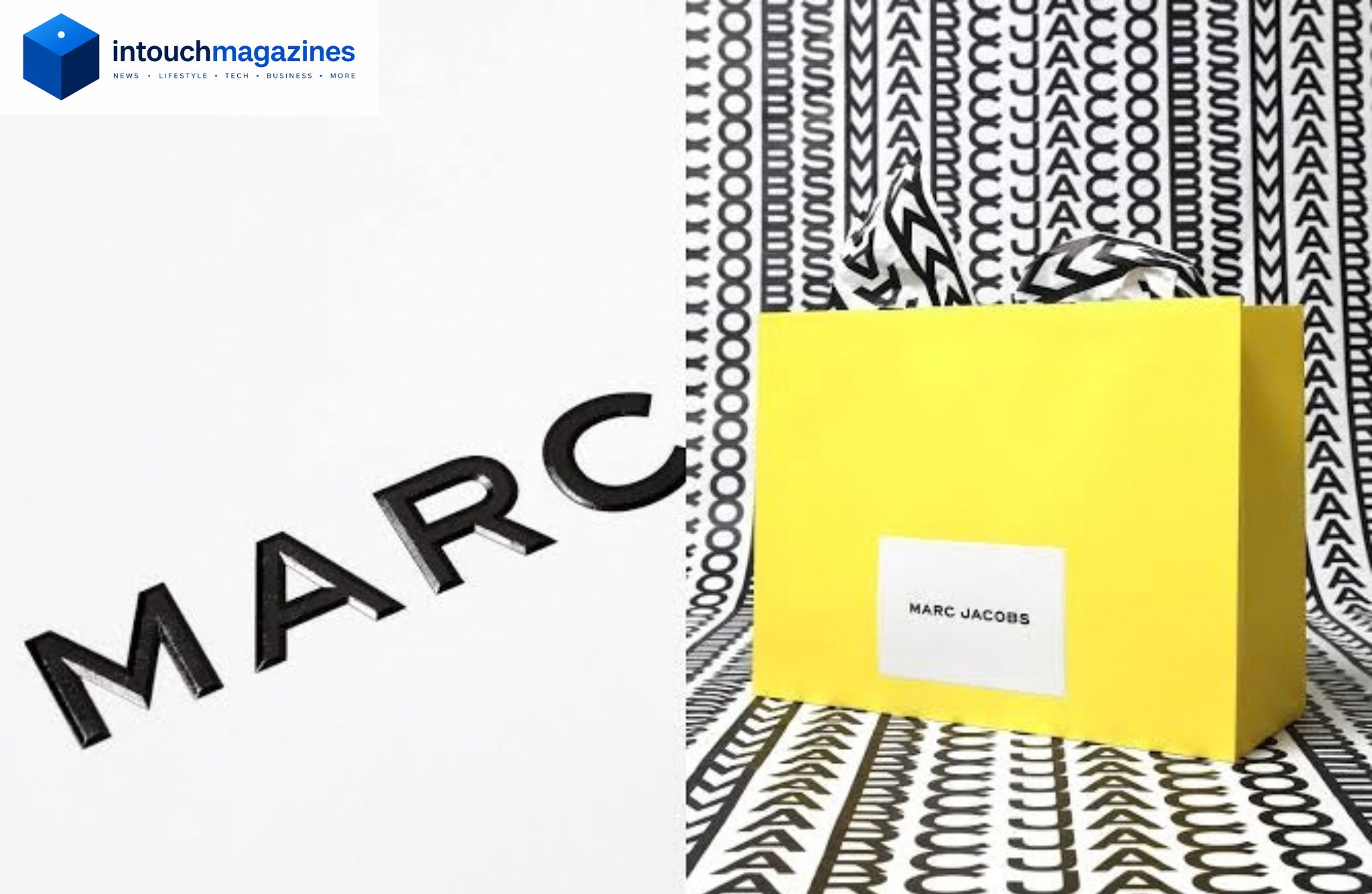
Marc Jacobs: The Designer and Brand Behind the Iconic Tote
Most people have seen the Marc Jacobs logo somewhere. Maybe stitched into a perfume bottle, stamped on a handbag, or splashed across that canvas tote that seemed to be on every shoulder in America a few summers back. Fewer people could actually explain who’s behind it. That gap makes sense. Fashion brands rarely explain themselves. They just show up on shelves and expect recognition.
Marc Jacobs is really two things at once: an American fashion designer with one of the more interesting résumés in the industry, and a global fashion house that carries his name. The company now operates independently of him in a purely legal sense, even though he still runs its creative direction. This guide covers both sides in detail, walks through a major ownership change the brand just went through, and points you toward deeper reading if you’re here to shop rather than research.
Who Is Marc Jacobs?
Marc Jacobs is an American fashion designer and the founder of his eponymous fashion house, Marc Jacobs International. He rose to prominence in the early 1990s and later spent 16 years as creative director of Louis Vuitton, all while continuing to build his own namesake label on the side. Today, at 63, he remains the creative force behind the brand even after its recent change in ownership.
Marc Jacobs’ Early Career and Rise in Fashion
Jacobs grew up in New York and studied at Parsons School of Design, where he built a reputation early, well before most designers get any real industry attention at all. While still a student, he picked up awards and recognition that put him on the radar of established fashion houses, which is unusually fast for someone who hadn’t even graduated yet.
He launched his own label in 1984 with backing from business partner Robert Duffy, a partnership that shaped the brand’s operations for decades. Early on, the label ran more like a small, ambitious design studio than a major fashion house, but it had enough industry buzz to keep growing.
The real turning point came in 1993. Most fashion historians point to this moment when explaining how Jacobs became a household name. While serving as head designer at Perry Ellis, he put together a “grunge” collection that pulled directly from the Seattle music scene: flannel shirts, combat boots, slip dresses, an aesthetic no one had ever put on a runway built for a mainstream American fashion house. The collection scandalized the traditional fashion establishment, and Perry Ellis fired Jacobs almost immediately afterward.
It also made him instantly, permanently famous. Decades later, fashion schools still teach that grunge collection as one of the defining runway moments of the 1990s. It’s a case study in how something the industry considered a commercial failure in the moment can reshape an entire designer’s career. It also signaled the sensibility that would define Marc Jacobs for the rest of his career: subcultural references pulled into high fashion, executed with just enough polish that department store buyers took it seriously.
Marc Jacobs and Louis Vuitton
In 1997, LVMH brought Jacobs on as creative director of Louis Vuitton, a role that would define the next 16 years of his career and, arguably, reshape the entire house. Before Jacobs arrived, people knew Louis Vuitton almost exclusively for its heritage leather goods and monogram canvas, respected but somewhat static. Jacobs modernized that image completely. He introduced ready-to-wear collections and pulled the brand into a more contemporary cultural conversation.
The Artist Collaborations That Changed the Brand
The most talked-about part of this era involved his collaborations with contemporary artists. His work with Takashi Murakami produced the now-iconic multicolor monogram pieces that became instantly recognizable status symbols in the early 2000s. A separate collaboration with graffiti artist Stephen Sprouse layered spray-paint-style graphics over the classic monogram canvas, another moment that turned Louis Vuitton bags into something closer to wearable art than traditional luxury goods.
Both collaborations did more than sell bags. They made Louis Vuitton culturally relevant to a younger audience that had never really engaged with old-guard luxury houses before.
Jacobs left Louis Vuitton in 2013. His contract ran out the following year with no renewal on the table. Reports at the time suggested he wanted to focus fully on his own label, including a possible IPO for Marc Jacobs International that ultimately never materialized in the way early reports suggested.
Why This Era Still Shapes the Brand’s Reputation
The Louis Vuitton years did more than build Jacobs’ personal celebrity profile, though they certainly did that too. They cemented a design sensibility that still defines his own brand today: playful, culturally aware, willing to blend high fashion with street-level references most luxury houses wouldn’t touch. That reputation followed him directly back to Marc Jacobs International, and it’s part of why the label has always felt a little different from its more conservative contemporary-fashion peers.
The Marc Jacobs Fashion House Today
Here’s where the story gets a significant, very recent update.
LVMH Sells the Brand After Nearly 30 Years
LVMH first took a majority stake in the Marc Jacobs brand back in 1997, the same year Jacobs joined Louis Vuitton, and held that stake for nearly three decades. That relationship officially ended in May 2026, when LVMH agreed to sell the Marc Jacobs brand to a joint venture between WHP Global and G-III Apparel Group. Sources cited by the Wall Street Journal put the deal’s value between $850 million and $1 billion.
The announcement came from New York on May 14, 2026. The agreement keeps Marc Jacobs himself in place as founder and creative director, while the new joint-venture structure takes over what LVMH and WHP Global described as the brand’s next phase of growth.
How the New Ownership Structure Works
The deal splits responsibilities between the two new partners. G-III Apparel Group, which also owns Karl Lagerfeld and DKNY, takes over parts of the brand’s global direct-to-consumer and wholesale business. WHP Global oversees licensing and is folding Marc Jacobs into its broader portfolio of fashion brands, which already includes names like Vera Wang, Rag & Bone, and G-Star. Regulatory filings show each partner contributed $425 million to fund the acquisition, and the deal is expected to close before the end of the year.
Jacobs addressed the change directly in a public statement: “I remain committed to my role as creative director of Marc Jacobs International and look forward to this exciting new chapter.” Bernard Arnault, LVMH’s chairman and CEO, called Jacobs “a designer of rare creativity and unique vision” and thanked him for his contribution to the group over the past 30 years.
Industry analysts have generally read the sale as a positive signal for the brand’s continuity, since Jacobs keeps full creative control over the design team and overall aesthetic even as the corporate structure changes completely. Some coverage has framed the sale within a broader pattern: LVMH has been streamlining its portfolio in recent years, and it’s directing resources toward flagship luxury houses while divesting from labels the group considers mid-tier performers compared to brands like Louis Vuitton or Dior.
Under its new ownership, the brand today spans handbags, small leather goods, ready-to-wear, footwear, eyewear, and fragrance, with a strong presence both in the US and internationally.
What Marc Jacobs Is Known For
A handful of things come up again and again whenever people talk about this brand, and they roughly break down into product categories, though the branding itself is arguably just as recognizable as any single item.
Handbags drive most of the mainstream recognition, and one bag in particular did more for the label’s visibility than almost anything else in its history, more on that below. Ready-to-wear clothing remains a core part of the business too, spanning everything from casual basics to more elevated pieces shown during New York Fashion Week. The fragrance line, built primarily around the Daisy name, has become one of the more recognizable perfume franchises on department store shelves. Its daisy-topped bottle design makes it instantly identifiable even from across a counter. Beyond the products themselves, the brand carries a reputation for distinctive, often whimsical packaging and branding, and for runway shows that consistently lean toward bold, sometimes deliberately provocative, rather than safe and predictable.
The Marc Jacobs Tote Bag Phenomenon
The Marc Jacobs Tote Bag deserves its own extended mention, because it did something genuinely rare for a fashion-house accessory: it became ubiquitous well outside the usual luxury-shopper demographic. The construction is simple, sturdy canvas, a clearly visible logo, none of the elaborate hardware or leather detailing found on the brand’s higher-end bags. The price sits well below the label’s leather handbag offerings, which put it within reach of a much broader range of shoppers.
That combination turned the tote into something you’d see everywhere: college campuses, grocery store runs, airport terminals, well beyond the department store displays where luxury accessories usually stay contained. It played a real, measurable role in making the broader Marc Jacobs name accessible to people who would likely never buy a leather handbag in the thousand-dollar range but happily spent a couple hundred dollars on a tote carrying the same name.
Marc Jacobs Product Lines at a Glance
The brand today breaks down into a handful of core categories, each with its own general price positioning and audience.
Handbags and small leather goods sit at the center of the business, ranging from the accessible canvas tote up through structured leather bags that push into true luxury pricing territory. Ready-to-wear apparel spans casual and elevated pieces, generally positioned as contemporary fashion rather than couture. Footwear rounds out the fashion side of the house, following similar pricing logic to the apparel line. Fragrance and beauty operate as something close to a separate business unit, anchored by the Daisy franchise and its many flanker scents. This category tends to have the lowest price barrier to entry of anything the brand makes, which is part of why fragrance often serves as many people’s first purchase from the label.
Is Marc Jacobs Considered a Luxury Brand?
This question comes up constantly, and the honest answer is: sort of, but not in the same tier as houses like Chanel, Hermès, or even Louis Vuitton, the brand Jacobs himself once helped run. Marc Jacobs sits in a category the industry generally calls “accessible luxury” or “contemporary” fashion. That positions it above mass-market retailers but below the handful of ultra-high-end couture houses that dominate the very top of the luxury pyramid.
Price points reflect that middle position clearly. A Marc Jacobs handbag costs meaningfully more than something from a mall retailer or fast-fashion chain, but only a fraction of what an equivalent bag would cost from one of the flagship luxury conglomerate houses. That positioning is actually part of the brand’s core identity and commercial strategy, rather than a limitation. It’s what allowed the Tote Bag to become as widely adopted as it did, and it’s likely part of why WHP Global saw enough value in the brand to structure a deal worth up to a billion dollars.
Frequently Asked Questions
As of May 2026, a joint venture between WHP Global and G-III Apparel Group owns Marc Jacobs, following LVMH’s decision to sell the brand after nearly 30 years of ownership. The deal is expected to close before the end of 2026.
Yes. Under the new ownership structure, Marc Jacobs remains founder and creative director of the brand. He continues to lead its design direction and oversee the creative team, even though the corporate ownership has changed hands.
He’s best known for his handbags, particularly the Tote Bag, along with his 16-year run as creative director of Louis Vuitton and the controversial 1993 grunge collection for Perry Ellis that first made his name in the fashion industry.
No, they’re entirely separate companies. Marc Jacobs served as Louis Vuitton’s creative director from 1997 to 2013, but his own namesake label, Marc Jacobs International, has always operated as an independent brand, even during the years LVMH held a majority stake in it.
The Tote Bag is primarily canvas, which explains why it became such an accessible, widely adopted piece compared to the brand’s leather handbag offerings, both in terms of price and everyday practicality.
Final Words:
Marc Jacobs the designer built his career on a mix of genuine talent and a willingness to court controversy when it served the work, from getting fired over a grunge collection that later became legendary, to spending over a decade reshaping one of the most recognizable luxury houses in the world. Marc Jacobs the brand carries that same sensibility forward: playful, culturally plugged-in, and now entering a genuinely new chapter under different ownership after nearly 30 years under LVMH’s umbrella.
If you’re here because you’re actually shopping the brand rather than researching its history, dig into the specific product lines, handbags, fragrance, ready-to-wear, since each one has its own standout pieces and price range worth understanding before you buy.