


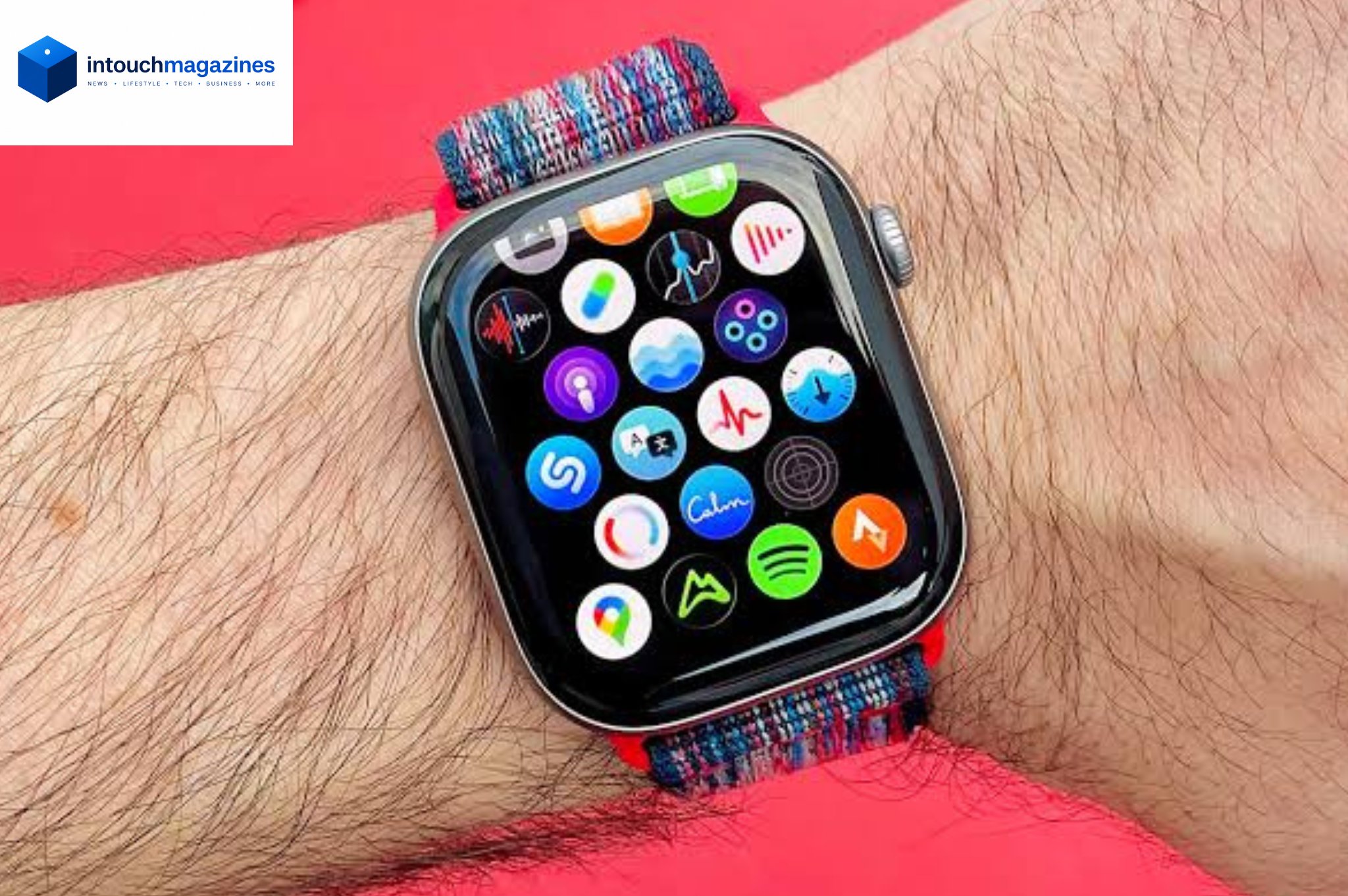
If you’ve been comparing smartwatches, you’ve probably noticed how much noise surrounds every Apple Watch launch bigger displays, faster chips, new health sensors, and endless “should you upgrade” debates. The Apple Watch Series 11 is Apple’s latest flagship, building on the redesigned form factor introduced with Series 10 while adding refined health sensors, a faster chip, and expanded connectivity.
But with a market full of options including the still-available Series 10 a natural question comes up: is the Series 11 worth the upgrade, or is it a smaller step than the marketing suggests? This guide breaks down everything you need to know release date, pricing, core features, and how it stacks up against Series 10 so you can decide with confidence.
What Is the Apple Watch Series 11?
The Apple Watch Series 11 is the direct successor to the Series 10, and it continues the slimmer, large-display design Apple introduced in the previous generation. Rather than a full redesign, Apple focused this generation on refining what already worked sharper health sensor accuracy, a newer chip, and incremental connectivity upgrades while keeping the watch positioned as the everyday choice for fitness tracking, health monitoring, and daily connectivity, sitting below the ruggedized Apple Watch Ultra in Apple’s lineup.
It’s built for the general user: people who want reliable health data, workout tracking, and smartphone integration without the bulk or price of the Ultra model.
Quick-glance specs:
- Large, thin OLED display carried over from Series 10’s redesign
- Available in 42mm and 46mm case sizes
- New S11 chip for improved performance
- Aluminum and titanium case options
- Refined health sensors and faster charging
Apple Watch Series 11 Release Date
The Apple Watch Series 11 was released in September, alongside Apple’s annual fall hardware lineup. It launched in most of Apple’s major markets on day one, with availability through Apple’s online store, physical retail locations, and authorized carriers and resellers.
Apple Watch Series 11 pricing at launch:
- Aluminum case (GPS only): starting around $399
- Aluminum case (GPS + Cellular): starting around $499
- Titanium case (GPS + Cellular): starting at a higher premium tier
As the current flagship, the Series 11 is priced at Apple’s standard entry point for the mainline Apple Watch, while the previous-generation Series 10 has generally dropped in price through retailers and resellers.
In short: The Apple Watch Series 11 released in September, starting at approximately $399 for the aluminum GPS model. It launched across Apple’s major markets through the Apple Store, retail locations, and carrier partners as Apple’s current flagship smartwatch.
Apple Watch Series 11 Features
This is where the Series 11 earns its reputation as a meaningful refinement rather than a routine refresh. Here’s a closer look at what changed.
Display and Case Design
The Series 11 carries over the slim case and large-display design introduced with Series 10, with narrow bezels and strong off-angle brightness. Case sizes remain at 42mm and 46mm, so the physical footprint on your wrist stays consistent if you’re upgrading from the previous generation.
Health and Fitness Tracking
Health tracking remains the centerpiece of the Apple Watch experience, and the Series 11 sharpened accuracy across several key features:
- Sleep apnea notifications: Continued from Series 10, flagging signs consistent with moderate-to-severe sleep apnea based on breathing disturbances during sleep.
- Hypertension notifications: Refined trend-based alerts for signs consistent with high blood pressure over time.
- Heart health monitoring: ECG readings, irregular rhythm notifications, and blood oxygen tracking with improved sensor accuracy.
- Temperature sensing: Useful for retrospective ovulation estimates and general wrist temperature trends.
- Workout tracking: Continued support for a wide range of activities, with refined accuracy in metrics like running form and effort.
Performance and Connectivity
The new S11 chip improved processing speed further, making on-device features like Siri requests and app loading noticeably snappier compared to Series 10. Depending on region and carrier support, the Series 11 also expanded connectivity options, including improved cellular and satellite-adjacent features in select markets.
Battery Life and Charging
Battery life remained consistent with the Series 10 for typical use around 18 hours with continued fast-charging support, letting users top up quickly during the day, which is especially useful for anyone wearing the watch overnight for sleep tracking.
Design and Durability
Buyers can choose between an aluminum case, which is lighter and more affordable, or a titanium case, which offers a premium finish and increased scratch resistance. Water resistance remains rated for shallow water activities and swimming, and the watch maintains compatibility with Apple’s existing band ecosystem, so bands from Series 10 and earlier generations fit without issue.
Apple Watch Series 11 vs. Series 10: What’s Different?
Since the Series 10 is still widely available at a lower price, many shoppers are weighing whether to save money with the previous generation or invest in the newest model. Here’s how they compare.
Design and Display Differences
The core case design and display size carried over from Series 10 to Series 11 with only minor refinements, meaning the two watches look and feel very similar on the wrist. Buyers focused primarily on aesthetics or size won’t find a dramatic difference here.
New Features Exclusive to Series 11
The Series 11 introduced incremental but meaningful upgrades, including refined health sensor accuracy, improved chip performance, and expanded connectivity options depending on region and carrier support. These updates target users who want the latest health monitoring capabilities or plan to keep their watch for several years.
Price and Value Comparison
| Feature | Apple Watch Series 11 | Apple Watch Series 10 |
|---|---|---|
| Display | Large OLED, slim case | Same size, earlier generation |
| Chip | S11 | S10 |
| Health Sensors | Sleep apnea, hypertension alerts, ECG, temperature, refined accuracy | Sleep apnea, ECG, temperature |
| Battery/Charging | Fast charging, ~18 hr battery | Comparable fast charging, ~18 hr battery |
| Starting Price | Current flagship pricing | Lower, discounted post-Series 11 launch |
Bottom line: If you want the latest sensor accuracy and chip performance and plan to keep your watch for the long term, the Series 11 is the stronger investment. If budget is the priority and you don’t need the newest refinements, the Series 10 remains a capable, lower-cost alternative.
Is the Apple Watch Series 11 Worth Buying?
Pros:
- Latest chip for improved everyday performance
- Refined health sensors, including hypertension notifications
- Same slim, large-display design users already like from Series 10
- Full health tracking suite, including sleep apnea detection
Cons:
- Higher price than the discounted Series 10
- Design carries over largely unchanged from the previous generation, so it may feel like an incremental upgrade if you already own a Series 10
For anyone upgrading from a Series 9 or earlier, or buyers who want the newest technology with the longest runway before the next upgrade, the Series 11 is an excellent choice. Series 10 owners may find the improvements incremental enough to skip this generation.
Frequently Asked Questions
Yes, for most users especially those upgrading from Series 9 or earlier. It offers the latest chip, refined health sensors including hypertension notifications, and the same well-liked slim design. Series 10 owners may find the upgrade less essential.
The two models share a nearly identical design and display size. The Series 11 offers a newer chip, refined health sensor accuracy, hypertension notifications, and minor connectivity improvements, while the Series 10 remains available at a lower price with largely the same day-to-day experience.
Yes, in many cases. Apple typically phases out the previous generation from its own store once a new model launches, but the Series 10 often remains available through third-party retailers, carriers, and resellers at a reduced price. Check current retailer listings for availability in your region.
No, the Apple Watch Series 11 does not directly measure blood pressure. It includes refined hypertension-related notifications based on trends detected over time, along with ECG readings and heart rate monitoring, but it is not a substitute for a dedicated blood pressure cuff or medical device.
Conclusion
The Apple Watch Series 11 builds on the strong foundation set by Series 10, refining health sensor accuracy, chip performance, and connectivity rather than reinventing the design. For anyone upgrading from an older model, it’s a well-rounded, future-ready choice. If you already own a Series 10 and want to save money, it remains a dependable alternative but if you want the latest technology available today, the Series 11 is the smarter long-term investment.