


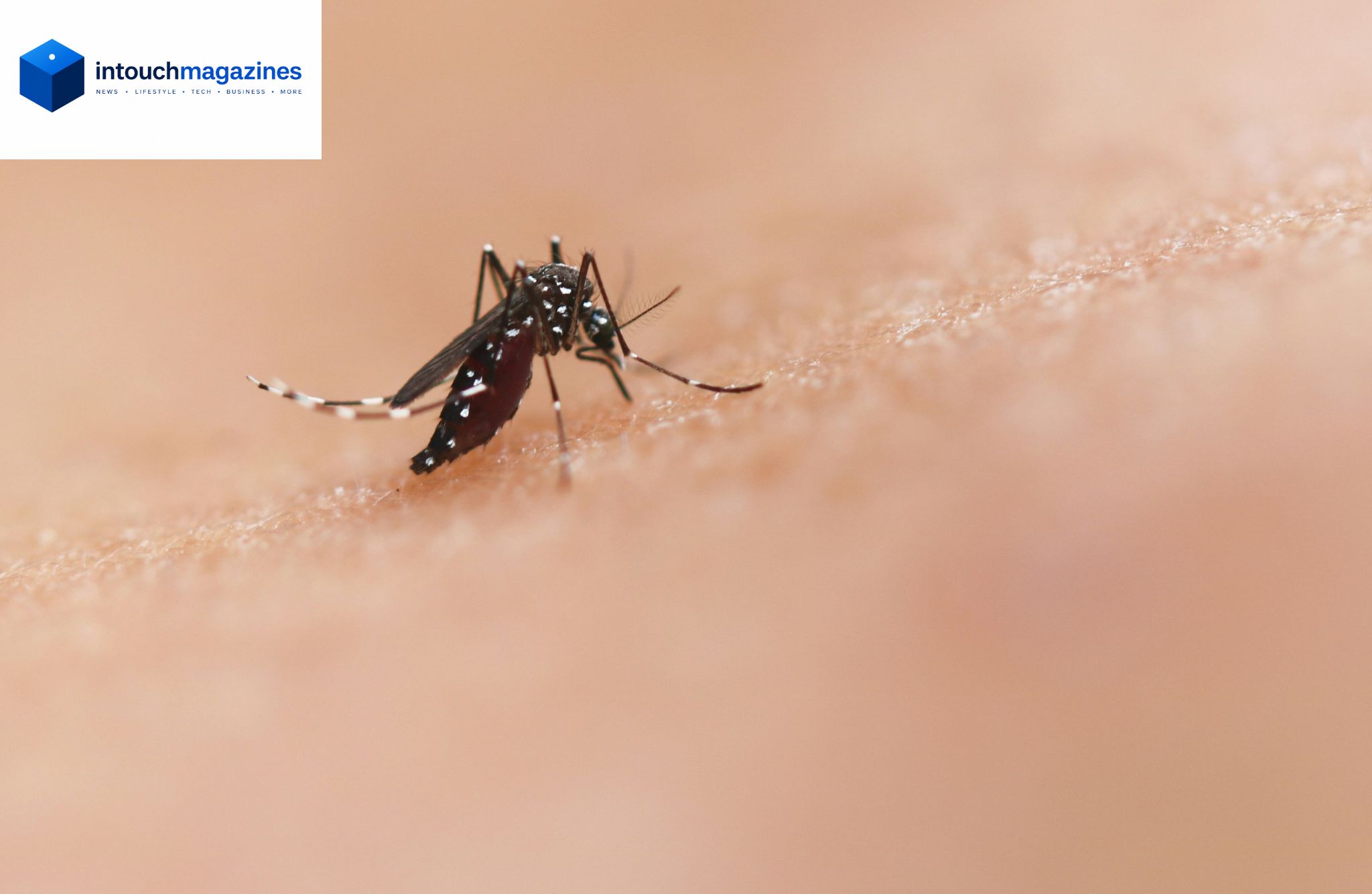
Dengue fever, once considered a distant, tropical concern for most Americans, is increasingly showing up closer to home. In recent years, health officials in Florida, Texas, Arizona, California, and Puerto Rico have reported locally transmitted cases infections acquired without the patient ever leaving the country. Combined with a rise in travel-associated cases and the northward creep of the mosquitoes that carry the virus, dengue fever is becoming a topic more U.S. residents need to understand, not just travelers heading abroad.
This guide breaks down what dengue fever is, how it spreads, what symptoms to watch for, how it’s treated, and what you can do to protect yourself and your family.
What Is Dengue Fever?
Dengue fever is a viral infection transmitted primarily through the bite of infected Aedes mosquitoes, most commonly Aedes aegypti and Aedes albopictus. It is caused by one of four related but distinct dengue virus serotypes (DENV-1, DENV-2, DENV-3, and DENV-4).
Infection with one serotype typically provides lifelong immunity to that specific strain, but not to the other three. This matters because a second infection with a different serotype carries a higher risk of developing into severe dengue, a more dangerous form of the disease.
Dengue is considered endemic in more than 100 countries, with the heaviest burden in Southeast Asia, Latin America, the Caribbean, and parts of the Pacific Islands. Globally, health agencies have tracked a marked increase in reported cases over the past decade, driven by factors including urbanization, expanded mosquito habitats, and international travel patterns.
How Dengue Fever Spreads
The transmission cycle is straightforward but persistent:
- A mosquito bites a person already infected with dengue.
- The virus incubates inside the mosquito for roughly one to two weeks.
- The mosquito then transmits the virus to the next person it bites.
Dengue does not spread through casual person-to-person contact you cannot catch it from coughing, touching, or being near an infected person. Rare exceptions include transmission through blood transfusion, organ transplant, or from a pregnant mother to her fetus, but these account for a very small fraction of cases.
Aedes mosquitoes thrive in urban and suburban environments, often breeding in small pools of standing water flowerpots, gutters, discarded tires, and buckets. Unlike some mosquito species, they’re aggressive daytime biters, which changes the usual advice about avoiding mosquitoes only at dawn and dusk.
Is Dengue Fever in the United States?
Yes. Dengue fever occurs in the United States, primarily through travel-related cases and limited local transmission in states like Florida, Texas, and Arizona, as well as in Puerto Rico, where the mosquitoes that carry the virus are established. Most U.S. cases are still linked to international travel, but locally acquired infections meaning the person was bitten by an infected mosquito without leaving the country have become more frequent in recent years.
Several factors are contributing to this shift:
- Climate change is expanding the geographic range where Aedes mosquitoes can survive and reproduce, pushing their habitat further north and into new regions.
- Increased international travel means more opportunities for travelers to bring the virus back and, if bitten by a local mosquito while still infectious, spark local transmission chains.
- Urban infrastructure in warmer states provides ample breeding grounds for mosquitoes in stormwater systems, landscaping, and residential areas.
Puerto Rico, in particular, has experienced significant dengue activity and has at times seen public health emergency declarations tied to outbreak levels. The mainland U.S. picture is different cases remain far less common than in endemic regions but public health officials are watching the trend closely.
Dengue Fever Symptoms
Most people who contract dengue fever develop symptoms within four to ten days after being bitten by an infected mosquito. Common symptoms include:
- High fever, often reaching 104°F
- Severe headache
- Pain behind the eyes
- Joint and muscle pain (sometimes called “breakbone fever” because of its intensity)
- Skin rash appearing a few days after fever onset
- Nausea and vomiting
- Mild bleeding, such as nosebleeds or bleeding gums
For many people, particularly those infected for the first time, dengue resolves within about a week with rest, fluids, and symptom management. But a subset of cases progress to a more severe form of the disease.
Warning Signs of Severe Dengue
Severe dengue (sometimes called dengue hemorrhagic fever) is a medical emergency. Warning signs typically emerge as the initial fever starts to subside, usually around days three through seven of illness. Seek immediate medical care if you or someone else experiences:
- Severe abdominal pain or tenderness
- Persistent vomiting
- Bleeding from the gums or nose
- Blood in vomit or stool
- Fatigue, restlessness, or irritability
- Difficulty breathing
- Cold or clammy skin
Severe dengue requires prompt hospital care and can be fatal without proper treatment, which is why early recognition matters, especially for travelers returning from endemic areas or residents of high-risk regions.
How Dengue Fever Is Diagnosed
Diagnosing dengue typically involves blood testing, since its early symptoms overlap with other viral illnesses like the flu, Zika, or chikungunya. Common diagnostic approaches include:
- NS1 antigen test detects a viral protein present early in infection
- PCR testing identifies viral genetic material, most accurate in the first few days of illness
- IgM/IgG antibody tests detect the body’s immune response, useful slightly later in the illness course
Timing matters. Testing too early or too late in the infection can affect accuracy, which is why clinicians often consider the timeline of symptom onset alongside travel history when deciding which test to order. Anyone with dengue-like symptoms after travel to an endemic area or after possible mosquito exposure in a high-risk U.S. region should mention that travel or exposure history to their doctor, since it directly informs testing and diagnosis.
Dengue Fever Treatment
There is no antiviral medication that specifically cures dengue fever. Treatment instead focuses on supportive care:
- Rest and hydration replacing fluids lost to fever and vomiting is a top priority
- Fever and pain management acetaminophen (Tylenol) is generally recommended
- Avoiding NSAIDs and aspirin medications like ibuprofen and aspirin can increase bleeding risk and should be avoided unless a doctor advises otherwise
- Monitoring for warning signs especially in the days after the fever breaks, when severe dengue is most likely to emerge
Most mild-to-moderate cases can be managed at home under a doctor’s guidance, with recovery typically taking one to two weeks. Severe cases require hospitalization for IV fluids, close monitoring, and in some instances blood product support.
Can You Prevent Dengue Fever?
Dengue Vaccine
A dengue vaccine, Dengvexia, is approved in the U.S. but comes with important restrictions. It’s authorized only for children ages 9 through 16 who have laboratory-confirmed evidence of a previous dengue infection and who live in areas where dengue is endemic, such as Puerto Rico. It is not recommended for the general U.S. population or for travelers without prior confirmed infection, because vaccinating someone without prior exposure can actually increase their risk of severe dengue upon a first natural infection.
Given these narrow eligibility criteria, vaccination is not currently a primary prevention tool for most Americans bite prevention remains the front line of defense.
Mosquito Bite Prevention
Because there’s no broadly available vaccine and no cure, avoiding mosquito bites is the most effective prevention strategy, particularly in high-risk areas or while traveling. Practical steps include:
- Use EPA-registered insect repellents (look for DEET, picaridin, or oil of lemon eucalyptus)
- Wear long sleeves and pants in mosquito-dense areas
- Use air conditioning or window/door screens to keep mosquitoes out of living spaces
- Eliminate standing water around the home check flowerpots, gutters, birdbaths, and containers weekly
- Remember that Aedes mosquitoes bite aggressively during the day, not just at dawn and dusk
Travelers to endemic regions should take these precautions seriously both during their trip and for about two weeks after returning, since an infected traveler bitten by a local mosquito can contribute to local transmission.
Dengue Fever vs. Other Mosquito-Borne Illnesses
Dengue is often mentioned alongside other mosquito-borne diseases, but there are important differences:
| Disease | Transmission | Key Symptoms | U.S. Risk Areas | Treatment |
|---|---|---|---|---|
| Dengue | Aedes mosquitoes | High fever, severe joint pain, rash | FL, TX, AZ, Puerto Rico (local); travel-related nationwide | Supportive care only |
| Zika | Aedes mosquitoes | Mild fever, rash, conjunctivitis; risk to pregnancy | Similar to dengue | Supportive care only |
| Malaria | Anopheles mosquitoes | Cyclic fever, chills, sweating | Rare local transmission; mostly travel-related | Antimalarial drugs available |
| West Nile Virus | Culex mosquitoes | Often asymptomatic; fever, neurological symptoms in severe cases | Widespread across the U.S. | Supportive care only |
The overlapping symptoms especially between dengue, Zika, and early malaria are exactly why lab testing and a detailed travel history are so important for an accurate diagnosis.
Who Is at Higher Risk?
Certain groups face elevated risk from dengue fever:
- International travelers visiting endemic regions in Latin America, the Caribbean, Southeast Asia, or the Pacific Islands
- Residents of southern border states and Puerto Rico, where Aedes mosquito populations are established
- People with a prior dengue infection, who face a higher risk of severe dengue if infected with a different serotype
- Children, older adults, and people who are immunocompromised, who may be more vulnerable to complications
- Pregnant individuals, due to potential risks to the pregnancy
Frequently Asked Questions
Most cases resolve within one to two weeks, though fatigue can linger for several additional weeks in some patients.
Yes. There are four dengue virus serotypes, and infection with one does not protect against the others. In fact, a second infection with a different serotype carries a higher risk of severe dengue.
Yes, but its use is limited to children ages 9–16 with confirmed prior dengue infection living in endemic areas like Puerto Rico. It is not recommended for the general public.
Both cause fever, body aches, and fatigue, but dengue is more likely to cause severe joint and eye pain, a distinctive rash, and in some cases bleeding symptoms. A blood test is the only reliable way to distinguish between them.
For most Americans, the risk remains low. However, residents of Florida, Texas, Arizona, and Puerto Rico should be aware that local transmission has occurred and take standard mosquito prevention measures, especially during warmer months.
Key Takeaways
- Dengue fever is spreading beyond its traditional tropical range, with local transmission now documented in parts of the U.S.
- Most infections are mild, but severe dengue is a medical emergency requiring prompt care.
- There’s no cure treatment is supportive, and prevention through mosquito bite avoidance remains the best defense.
- If you develop a high fever with severe body aches after travel or in a high-risk U.S. region, contact a healthcare provider and mention any relevant travel or exposure history.
This article is for informational purposes only and is not a substitute for professional medical advice. If you suspect you have dengue fever or are experiencing warning signs of severe illness, seek medical care immediately.