


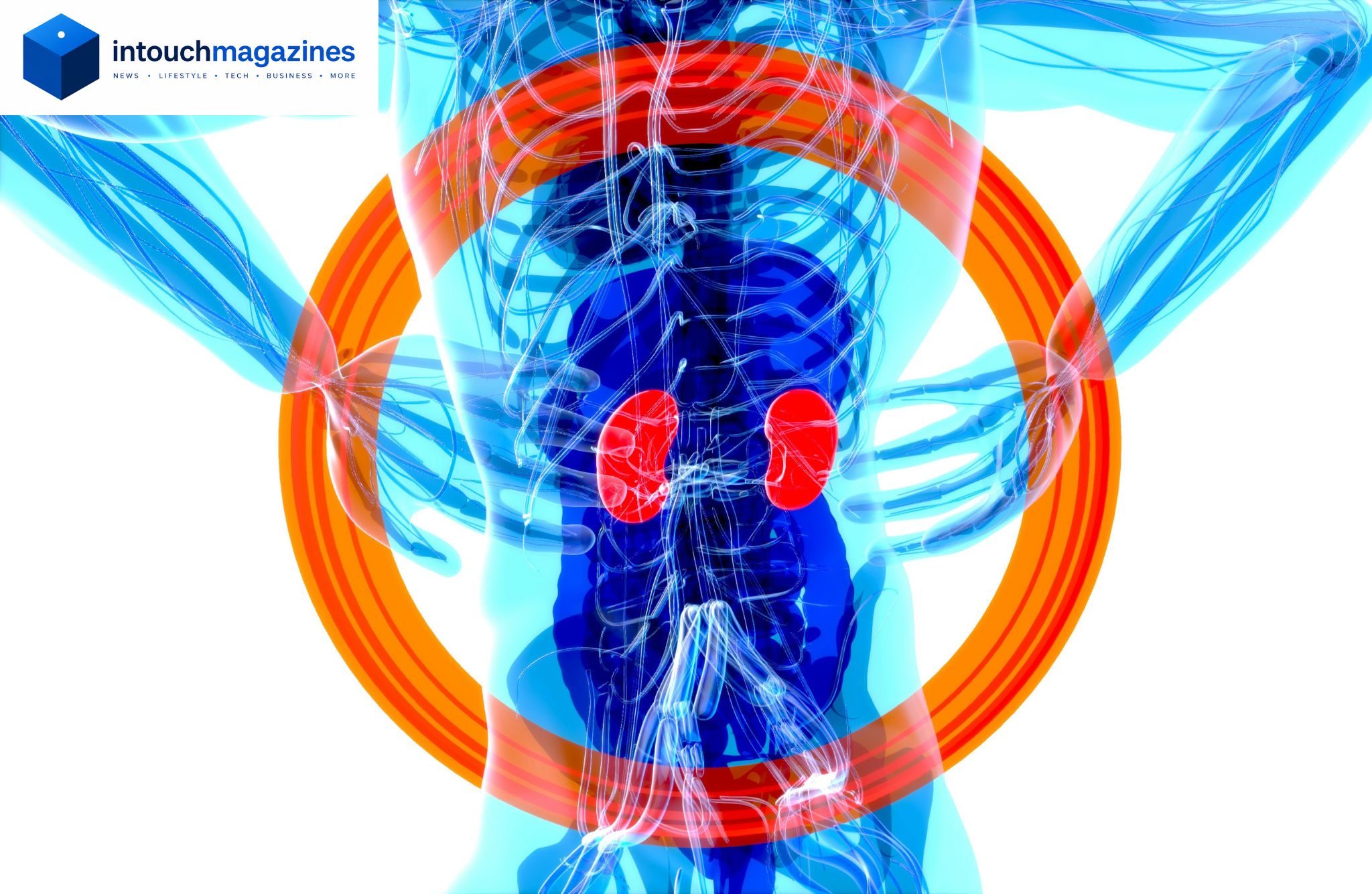
Pelvic Congestion Syndrome Symptoms: Signs, Causes & When to See a Doctor
For many women, chronic pelvic pain becomes something to just live with. It gets dismissed as “bad periods,” stress, or something doctors can’t quite explain after a normal ultrasound. But for a significant number of women, that dull, persistent ache has a name: pelvic congestion syndrome. It’s a real vascular condition, it’s frequently misdiagnosed, and recognizing its specific symptom pattern is often the first step toward finally getting answers.
This guide breaks down exactly what pelvic congestion syndrome feels like, which symptoms tend to appear together, and how it differs from other common causes of pelvic pain. This content is educational and doesn’t replace a diagnosis from a qualified healthcare provider, but it can help you describe your symptoms more precisely at your next appointment.
What Are the Symptoms of Pelvic Congestion Syndrome?
Pelvic congestion syndrome typically causes a dull, aching pelvic pain that worsens after standing, during or after menstruation, or later in the day. Other common symptoms include pelvic heaviness, lower back pain, and visible varicose veins around the hips, vulva, or thighs.
The most commonly reported symptoms include:
- Chronic dull or aching pelvic pain lasting six months or longer
- Pain that worsens with standing, walking, or as the day goes on
- Pain that intensifies before or during menstruation
- Pain during or after sexual intercourse (dyspareunia)
- Lower back pain
- A heaviness or pressure sensation in the pelvis
- Visible varicose veins on the vulva, buttocks, or thighs
- Abnormal or heavy menstrual bleeding
- Bladder irritation or urgency in some cases
- Fatigue related to ongoing chronic pain
Not every woman with PCS experiences all of these symptoms, and severity can vary significantly from person to person.
Understanding Pelvic Congestion Syndrome
Pelvic congestion syndrome occurs when veins in the pelvis become enlarged and varicose, similar to how varicose veins develop in the legs. When vein valves don’t function properly, blood pools instead of flowing efficiently back toward the heart. This pooling creates pressure and swelling in the pelvic veins, which produces the characteristic aching pain associated with the condition.
PCS primarily affects women of reproductive age, and it’s especially common in women who have had multiple pregnancies. Pregnancy increases blood volume and puts additional pressure on pelvic veins, which can weaken vein walls over time.
Despite being a well-documented vascular condition, PCS is frequently overlooked. Standard pelvic ultrasounds and exams don’t always reveal enlarged pelvic veins clearly, and because the symptoms overlap with other conditions, many women go years without an accurate diagnosis.
Common Physical Symptoms of PCS
The most defining symptom of pelvic congestion syndrome is a deep, dull, aching pain in the lower abdomen and pelvis. Unlike sharp or cramping pain, this ache tends to build gradually and linger rather than come in sudden waves.
Several pain patterns distinguish PCS from other pelvic conditions. Pain often worsens by the end of the day, particularly after standing or sitting for extended periods. It also frequently intensifies during or immediately after sexual intercourse, and many women notice it becomes more pronounced in the days leading up to or during menstruation.
This pain profile differs from typical menstrual cramps in an important way. Menstrual cramps usually feel sharp or gripping and are tied closely to the menstrual cycle itself, while PCS pain tends to be more constant, positional, and unrelated to any single trigger.
Pelvic Pain Patterns to Watch For
A few specific patterns can help distinguish PCS from other causes of pelvic pain:
Doctors generally consider pain chronic once it persists for six months or longer. Positional changes matter too: pain typically worsens when standing or sitting upright and improves when lying down, which reflects how gravity affects blood pooling in the pelvic veins. Some women experience pain predominantly on one side, while others report pain that affects both sides of the pelvis.
Visible and Physical Signs
Beyond pain, PCS often produces visible physical signs. Varicose veins may appear in the vulva, groin, thighs, or buttocks, sometimes resembling the bulging veins seen in leg varicosities. Many women also describe a heaviness or swelling sensation in the pelvic region, along with associated discomfort in the lower back and legs.
Symptoms Related to Menstrual and Reproductive Health
Pelvic congestion syndrome frequently affects menstrual and reproductive symptoms as well. Heavy or irregular periods are common among women with this condition, and pain often intensifies noticeably before or during menstruation as hormonal shifts affect vein tone.
Pain during or after sex, medically known as dyspareunia, is another frequently reported symptom. This occurs because increased pelvic blood flow during intercourse can aggravate already-congested veins.
Pregnancy history plays a notable role as well. Women who have had multiple pregnancies face a higher risk of developing PCS, since each pregnancy increases pelvic vein pressure and can contribute to long-term vein wall weakening.
Lesser-Known or Overlooked Symptoms
Some PCS symptoms are less commonly discussed but still significant. Bladder urgency or irritation occurs in some women, likely related to the proximity of pelvic veins to the bladder. Bowel-related discomfort is reported less frequently but has been noted in some cases.
Chronic pain from PCS often leads to persistent fatigue, both from the physical toll of ongoing discomfort and its cumulative effect on sleep and daily functioning.
One particularly frustrating aspect of PCS is symptom fluctuation. Pain may feel manageable on some days and significantly worse on others, which often leads women, and sometimes their doctors, to dismiss the pattern rather than investigate a vascular cause.
What Causes These Symptoms?
Understanding why these symptoms occur can help clarify the condition. PCS develops when vein valves in the pelvis fail to function properly, allowing blood to pool rather than circulate efficiently. This creates pressure that produces the characteristic pain and heaviness associated with the condition.
Hormonal factors play a meaningful role, since estrogen affects vein wall elasticity and can contribute to vein dilation over time. Pregnancy-related vein changes are another major contributor, given the increased blood volume and pressure pregnancy places on pelvic veins.
Additional risk factors include having multiple pregnancies, a family history of varicose veins, and polycystic ovaries, which has been associated with an increased likelihood of developing PCS.
Pelvic Congestion Syndrome vs. Other Conditions
Because PCS symptoms overlap significantly with other gynecological conditions, distinguishing between them is an important part of getting an accurate diagnosis.
Endometriosis often causes sharp, cramping pain tied closely to the menstrual cycle, while PCS pain tends to be duller, more constant, and heavily influenced by posture and time of day. Fibroids can cause pelvic pressure and heavy bleeding similar to PCS, but they’re typically identifiable through ultrasound as distinct masses, whereas PCS involves vein enlargement that requires different imaging to detect. Ovarian cysts can also produce pelvic pain, but this pain is often more localized and may resolve on its own, unlike the persistent, positional pain characteristic of PCS.
Because of this overlap, an accurate diagnosis really does matter. Treating PCS as endometriosis or vice versa can delay effective relief for months or even years.
How Doctors Differentiate PCS from Similar Conditions
Physicians rely on several distinguishing factors when evaluating pelvic pain. Pain pattern is often the first clue: PCS pain worsens with standing and improves when lying down, a pattern less typical of endometriosis or fibroids. Imaging plays a central role as well, since PCS specifically involves dilated, engorged pelvic veins that show up on specialized imaging like transvaginal ultrasound with Doppler, MRI, or venography, rather than the masses or lesions associated with other conditions. A patient’s response to position changes often serves as a helpful diagnostic clue, since pain that clearly correlates with posture points toward a vascular rather than structural cause.
When to See a Doctor
Certain symptom combinations warrant a medical evaluation, particularly chronic pelvic pain lasting six months or more, pain that consistently worsens with standing and improves when lying down, visible varicose veins in the pelvic region, or pain during intercourse combined with a heaviness sensation in the pelvis.
If these symptoms sound familiar, a good starting point is a gynecologist, who can rule out other common causes and refer you appropriately. Vascular specialists and interventional radiologists are often involved in confirming a PCS diagnosis and discussing treatment, since they specialize in vein-related conditions.
At a diagnostic appointment, you can typically expect a pelvic exam, a transvaginal ultrasound with Doppler imaging to assess blood flow in the pelvic veins, and potentially an MRI or venography for more detailed imaging if initial results suggest PCS.
Frequently Asked Questions
PCS pain typically feels like a dull, heavy ache rather than sharp or cramping pain. It often worsens with standing or by the end of the day and improves when lying down.
PCS rarely resolves completely without treatment, though symptoms can fluctuate in severity. Many women find that symptoms improve significantly with medical or minimally invasive treatment.
No. While both cause chronic pelvic pain, PCS results from enlarged pelvic veins, while endometriosis involves tissue similar to the uterine lining growing outside the uterus. Their pain patterns and treatments differ.
PCS itself is not typically classified as a direct cause of infertility, though chronic pelvic pain can affect overall reproductive health and quality of life. Speak with a specialist if you have fertility concerns alongside PCS symptoms.
Prolonged standing, the days before or during menstruation, and sexual intercourse are commonly reported triggers for symptom flare-ups.
Conclusion
Pelvic congestion syndrome produces a fairly distinct symptom pattern: dull, aching pelvic pain that worsens with standing and improves when lying down, pain that intensifies around menstruation, and in many cases, visible varicose veins in the pelvic region. Because these symptoms overlap with conditions like endometriosis and fibroids, accurate diagnosis is essential for effective treatment.
If you’re experiencing chronic pelvic pain that matches this pattern, don’t dismiss it as something you simply have to live with. Talk to a healthcare provider, describe your symptoms in detail, including when and how the pain changes, and ask specifically whether pelvic congestion syndrome could be a factor.