


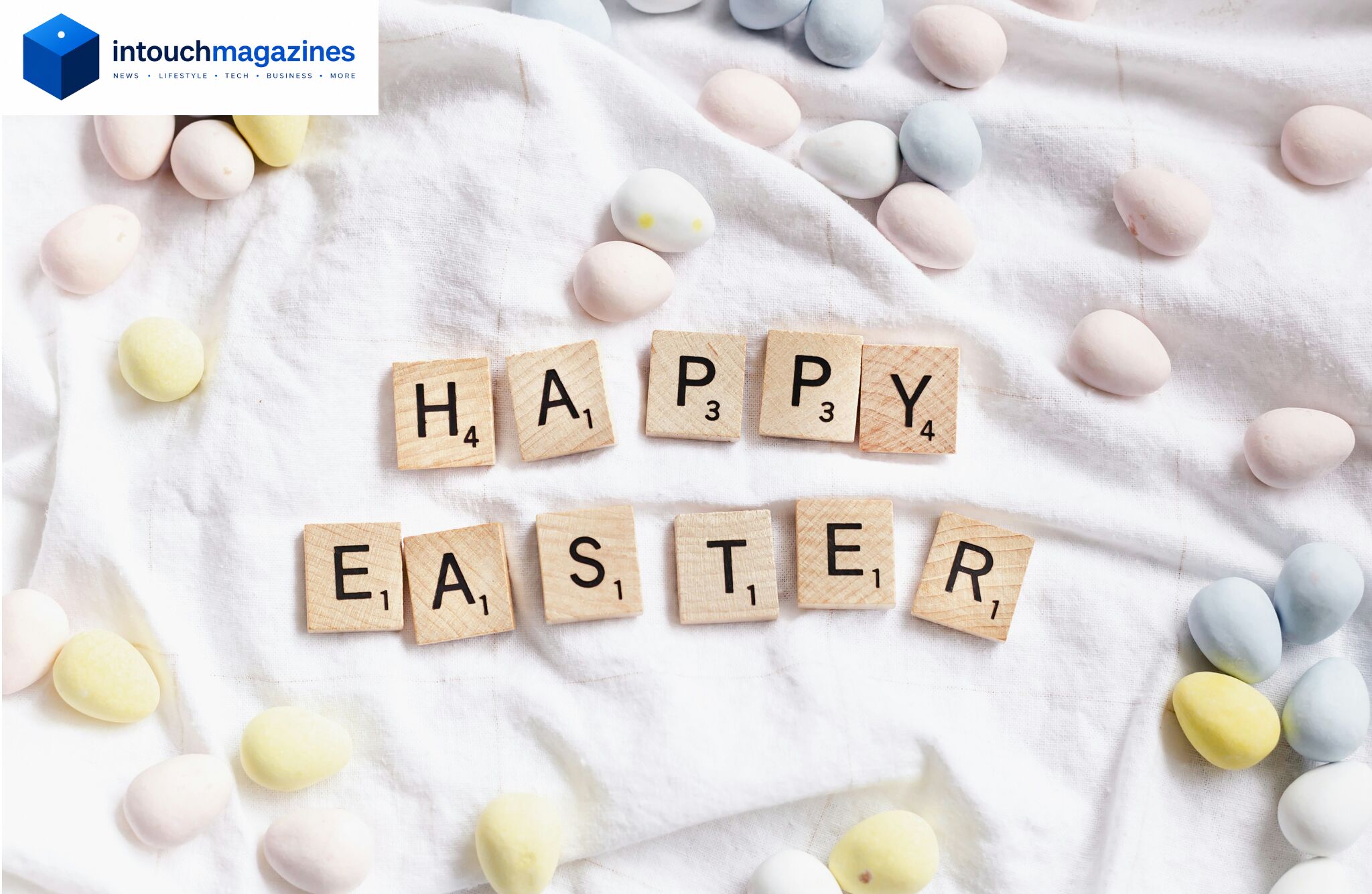
Easter is celebrated across dozens of countries and cultures, yet the traditions people practice, from egg hunts to sunrise services to regional feasts, often trace back to a surprising mix of religious history and older folk customs. Many people take part in these traditions every year without knowing where they actually come from. This guide explores the religious roots of Easter, the most popular customs practiced around the world, and how regional variations reflect local culture, giving you a fuller understanding of a holiday most people think they already know well.
What Are the Most Common Easter Traditions?
Across most cultures that celebrate Easter, a few core traditions appear again and again:
- Easter egg decorating and egg hunts
- Easter Sunday church services and sunrise services
- The Easter Bunny and related folklore
- Special Easter meals and traditional foods
- Lent and Holy Week observances leading up to Easter
- Regional customs such as parades, bonfires, or water traditions
In general, Easter traditions combine Christian religious observance with older spring and fertility folk customs. This blend results in a wide range of practices that vary significantly from one country and culture to the next.
The Religious Origins of Easter
The Christian Significance of Easter
For Christians, Easter marks the resurrection of Jesus Christ, observed on Easter Sunday as the culmination of Holy Week. It stands as the most important date on the Christian liturgical calendar, even more central than Christmas in many traditions, since it represents the core belief in resurrection and new life.
Holy Week and Lent Explained
Lent begins on Ash Wednesday and continues for forty days, traditionally observed through fasting, reflection, and acts of penance. Holy Week, the final week of Lent, includes Palm Sunday, Maundy Thursday, and Good Friday, each marking a different event leading up to the resurrection celebrated on Easter Sunday.
Why the Date of Easter Changes Every Year
Unlike fixed holidays such as Christmas, Easter falls on a different date each year because it follows a lunar calendar calculation, landing on the first Sunday after the first full moon following the spring equinox. This also explains why Eastern Orthodox Easter often falls on a different date than Western Easter, since Orthodox churches calculate the date using the Julian calendar rather than the Gregorian calendar most Western countries follow.
How Easter Traditions Blend Religion and Folklore
Pre-Christian Spring Celebrations
Long before Easter existed as a Christian holiday, many cultures celebrated the arrival of spring with festivals honoring renewal, fertility, and the return of longer daylight hours. Some historians link the name “Easter” itself to Eostre, a pre-Christian goddess associated with spring and dawn in parts of Northern Europe, though scholars continue to debate the strength of this connection.
How Symbols Like Eggs and Rabbits Became Associated With Easter
Eggs have long symbolized new life and fertility across many cultures, which made them a natural fit for a holiday centered on resurrection and renewal. Rabbits, known for rapid reproduction, carried similar symbolism in earlier folk traditions and eventually merged with Christian Easter customs, most famously through the German folklore figure that evolved into today’s Easter Bunny.
The Evolution of Easter Into a Cultural, Not Just Religious, Holiday
Over centuries, Easter grew beyond its religious core to include widely shared cultural customs, many of which non-religious families and communities now practice purely as seasonal or family traditions rather than acts of faith.
Popular Easter Traditions Around the World
Easter Egg Decorating and Egg Hunts
Painting, dyeing, and hiding eggs remains one of the most widely practiced Easter customs globally, enjoyed by religious and non-religious families alike. Techniques range from simple dye kits to intricate hand painted designs, such as the elaborately decorated pisanki eggs found in parts of Eastern Europe.
The Easter Bunny and Other Regional Folklore Figures
While the Easter Bunny dominates in the United States, United Kingdom, and much of Western Europe, other regions have their own folklore figures tied to the holiday, reflecting how local culture reshapes shared traditions.
Sunrise Services and Church Traditions
Many Christian congregations hold sunrise services on Easter morning, symbolizing the discovery of the empty tomb at dawn. These services often take place outdoors and represent one of the most widely observed religious Easter traditions worldwide.
Easter Parades and Public Celebrations
Cities around the world host Easter parades and public celebrations, ranging from elaborate processions in parts of Europe and Latin America to more casual community gatherings, each reflecting local customs and history.
Easter Traditions by Country and Culture
Easter in Europe
In Greece, Easter often carries more cultural weight than Christmas, marked by midnight church services, fireworks, and traditional lamb dishes. Poland is known for pisanki, intricately decorated eggs, alongside Śmigus Dyngus, a playful Easter Monday tradition involving water fights. Germany features Easter egg trees and traditional bonfires, while the United Kingdom includes customs such as hot cross buns and Easter egg rolling competitions.
Easter in the Americas
In the United States, Easter typically combines church services with secular customs like egg hunts and Easter baskets, often centered around family gatherings. Mexico observes Semana Santa, or Holy Week, with elaborate processions and reenactments that draw large public participation. Brazil blends religious observance with regional food traditions, including specially prepared Easter dishes shared among extended family.
Easter in the Philippines and Parts of Asia
The Philippines observes some of the most elaborate Holy Week traditions in Asia, including public reenactments of the crucifixion and processions that draw both religious pilgrims and curious visitors. In other parts of Asia with smaller Christian populations, Easter tends to be observed more quietly, primarily within church communities rather than as a broader public holiday.
Unique or Lesser Known Easter Customs Worldwide
Bermuda is known for flying homemade kites on Good Friday, a tradition believed to symbolize Christ’s ascension. In parts of Scandinavia, Easter customs include lighting bonfires and, in Finland, children dressing as Easter witches, a tradition rooted in older folk beliefs rather than Christian practice.
Traditional Easter Foods and Their Meaning
Common Easter Dishes Across Cultures
Lamb appears frequently across many Easter traditions, symbolizing sacrifice and renewal within Christian tradition. Ham has also become a popular Easter main dish in several Western countries, partly rooted in the historical timing of springtime meat curing.
The Symbolism Behind Popular Easter Foods
Eggs, unsurprisingly, appear throughout Easter cuisine as well as decoration, from simple boiled eggs to rich, egg based breads, continuing the theme of new life central to the holiday.
Regional Easter Recipes Worth Knowing
Hot cross buns remain a staple in the United Kingdom and parts of the Commonwealth, marked with a cross to represent the crucifixion. Various European countries also feature traditional Easter breads, often braided or decorated, shared during family meals throughout the holiday weekend.
Modern Easter Traditions and How They’re Changing
How Easter Is Celebrated in Non-Religious Households
For many non-religious families, Easter has become primarily a seasonal, family oriented holiday centered on egg hunts, gatherings, and springtime activities rather than religious observance.
New or Evolving Family Traditions
Some families have introduced newer customs, such as themed egg hunt scavenger challenges or combining Easter celebrations with broader spring break travel plans, reflecting how holiday traditions naturally evolve over generations.
The Role of Commercialization in Modern Easter Celebrations
Chocolate eggs, themed merchandise, and retail promotions now play a significant role in how many people experience Easter, particularly in Western countries, sitting alongside, rather than replacing, older religious and folk traditions.
Frequently Asked Questions
Christians celebrate Easter to commemorate the resurrection of Jesus Christ, making it the most significant holiday on the Christian calendar. Many of today’s customs also reflect older spring festivals that predate Christianity.
Both eggs and rabbits historically symbolized fertility and new life in pre-Christian spring celebrations. Over time, these symbols merged with Christian Easter traditions, eventually evolving into customs like egg hunts and the Easter Bunny.
Easter is a Christian holiday commemorating the resurrection of Jesus, while Passover is a Jewish holiday commemorating the Israelites’ exodus from slavery in Egypt. The two holidays are historically and theologically connected, since the events of Easter took place during the Passover period, though they remain distinct observances.
Easter falls on the first Sunday after the first full moon following the spring equinox, which is why the date shifts annually. Western and Eastern Orthodox churches calculate this date using different calendars, often resulting in different Easter dates each year.
While Easter itself is a Christian holiday, many associated customs, such as egg decorating and springtime celebrations, have roots in older, non-Christian folk traditions and continue to be practiced by non-religious communities as secular seasonal customs.
Final Thoughts on Easter Traditions Around the World
Easter traditions reflect a rich blend of faith, history, and regional culture, shaped over centuries by both Christian observance and older folk customs. Whether celebrated through solemn religious services, festive family gatherings, or playful springtime customs, Easter continues to bring communities together in ways that reflect their unique local heritage. Explore related holiday traditions to see how other celebrations around the world share similar roots and customs.


1 Comment
Pingback: Costco Hours: Store, Pharmacy & Holiday Schedule