


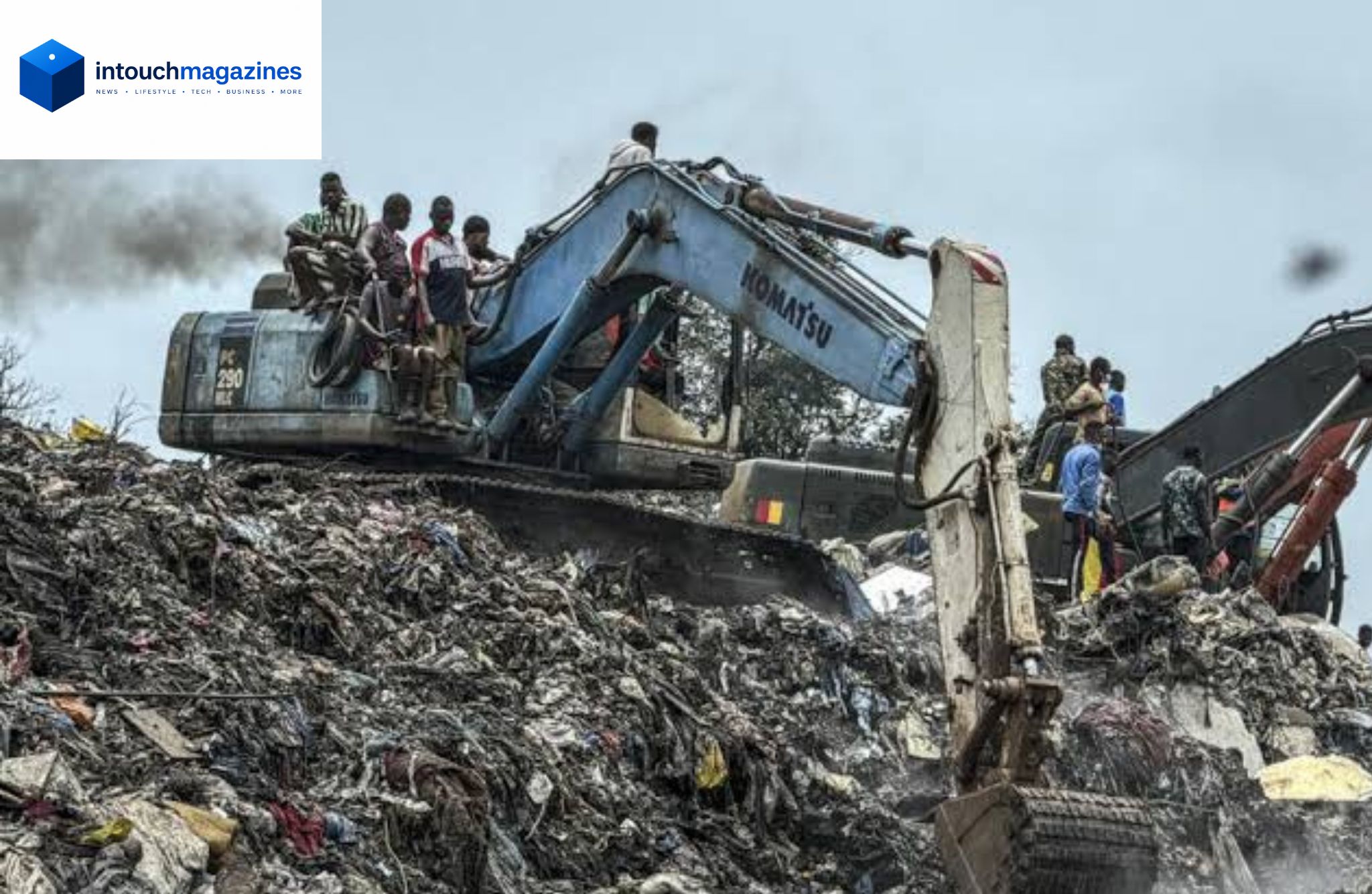
A mountain of garbage gave way in Guinea’s capital, Conakry, at around 2 a.m. on Sunday, August 23, 2026. It buried the homes of sleeping families beneath it. Rescue teams arrived to find the scale of the disaster already clear: at least 30 people dead, dozens injured, and an unknown number still trapped beneath the debris.
Officials had seen this coming, which makes the tragedy harder to accept. The government had ordered evictions around the site just days earlier. Officials had also scheduled the landfill to close on the very day it collapsed. For the families who stayed, that closure came too late.
Here’s what happened, why it happened, and what comes next.
What Happened at the Guinea Landfill
Timeline of the Collapse
The collapse struck the Dar-es-Salam neighborhood in Conakry’s Gbessia commune at approximately 2:00 a.m. local time on Sunday, August 23, 2026. Heavy rain fell overnight and saturated a massive, unstable mound of waste at Conakry’s largest landfill site.
Sometime before dawn, that saturated mass of refuse gave way. It slid down onto the tents, shacks, and homes built at its base. Some reports say the collapse was severe enough to bury a multi-story building along with more precarious dwellings nearby.
The Immediate Aftermath
The Guinean government confirmed at least 30 deaths. It also reported 22 injuries six serious and the rest minor, according to early tallies. One local resident told media that all five of her children died in the disaster. Neighborhood leader Lancine Sylla said crews had recovered 18 bodies and taken them to the morgue even before officials announced the death toll. He warned the final count could climb further.
Rescue crews, including military personnel, moved in with excavators to search the debris field. They worked carefully, since survivors or additional victims might still be buried beneath tons of waste and mud.
Why the Collapse Happened
Heavy Rainfall as the Trigger
West Africa’s rainy season regularly brings landslides and flash floods to crowded, underdeveloped urban areas. This collapse fits that pattern. Overnight rain soaked into the landfill’s waste mound. That added weight and reduced stability until the mass simply slid.
This is not an isolated risk. A similar collapse in the same area of Conakry killed at least eight people in 2017, after days of torrential rain. A landfill collapse in Ethiopia’s capital also killed 62 people that year under comparable conditions. Rain-triggered waste-mound collapses remain a recurring hazard anywhere large, informal dumps sit above dense housing.
Prior Warnings Went Unheeded
The timing sets this disaster apart. A sanitation officer with Guinea’s Military Engineering Battalion said the landfill was formally set to close on the very Sunday it collapsed. In the days before the disaster, authorities had also ordered residents near the site to evacuate over fears the mound could give way.
Many residents stayed in the area despite those warnings. That reflects how hard it can be to relocate families with few housing options in a fast-growing capital.
Guinean opposition figure Cellou Dalein Diallo, a former prime minister now living in exile, called the disaster “a tragedy that plunges us into dismay.” He said the timing a collapse on the exact day the site was due to close makes a full, transparent investigation even more urgent.
Government and Rescue Response
Search and Rescue Operations
Guinea’s government said it deployed “significant material and human resources,” including the military, to search for anyone still buried, rescue survivors, and recover bodies. Excavators worked through the scattered rubbish as crowds of residents gathered to watch and wait for news of missing loved ones.
Official Statements and Next Steps
Prime Minister Amadou Oury Bah visited the site personally to oversee the response. The government pledged medical care for the injured and assistance for affected families. Sanitation officials said they would relocate displaced residents from the area. President Mamadi Doumbouya who took power in a 2021 coup before winning election as president in December 2025 has said little beyond the government’s official statement, which urged residents to stay calm, show solidarity, and follow instructions from rescue services.
The Bigger Picture: Landfill Collapses as a Recurring Global Hazard
Conakry’s disaster is part of a troubling pattern seen across fast-urbanizing regions with limited waste-management infrastructure:
- Guinea, 2017: A landfill collapse in the same general area of Conakry killed at least eight people after heavy rain.
- Ethiopia, 2017: The Koshe landfill collapse in Addis Ababa killed 62 people, many of them waste-pickers and residents living in makeshift housing built on the dump itself.
- Philippines, 2025–2026: A landfill collapse in Cebu buried dozens of workers, killing at least one and trapping many more.
The common thread is stark. Informal settlements sit close to unstable waste mounds. Regulation of landfill height and drainage remains minimal. Heavy seasonal rains then turn slow-building risk into sudden catastrophe. Urban population growth across West Africa has consistently outpaced investment in formal waste management and housing relocation programs. That leaves communities living in the shadow of hazards that officials often recognize as in this case before it’s too late.
What Caused the Guinea Landfill Collapse?
Heavy overnight rain saturated a mound of waste at Conakry’s Dar-es-Salam landfill, and it collapsed in the early hours of August 23, 2026. The collapse buried nearby homes, killed at least 30 people, and injured dozens despite government warnings about the site’s instability and eviction orders issued in the days beforehand.
Frequently Asked Questions
At least 30 people have been confirmed dead, with 22 others injured. Officials and local leaders have warned the toll may rise as search operations continue.
The collapse occurred at a major landfill in the Dar-es-Salam neighborhood of the Gbessia commune, on the outskirts of Conakry, Guinea’s capital.
Heavy rain saturates loose waste material, adding weight and reducing the internal stability of large mounds. Once the mass becomes too heavy or waterlogged to hold its shape, it can slide suddenly, similar to a landslide.
Yes. A landfill collapse in the same area of Conakry in 2017 killed at least eight people under similar conditions of heavy rainfall.
The Guinean government has deployed military and rescue personnel to search for survivors, pledged medical care for the injured, and said displaced families will be relocated away from the site.