


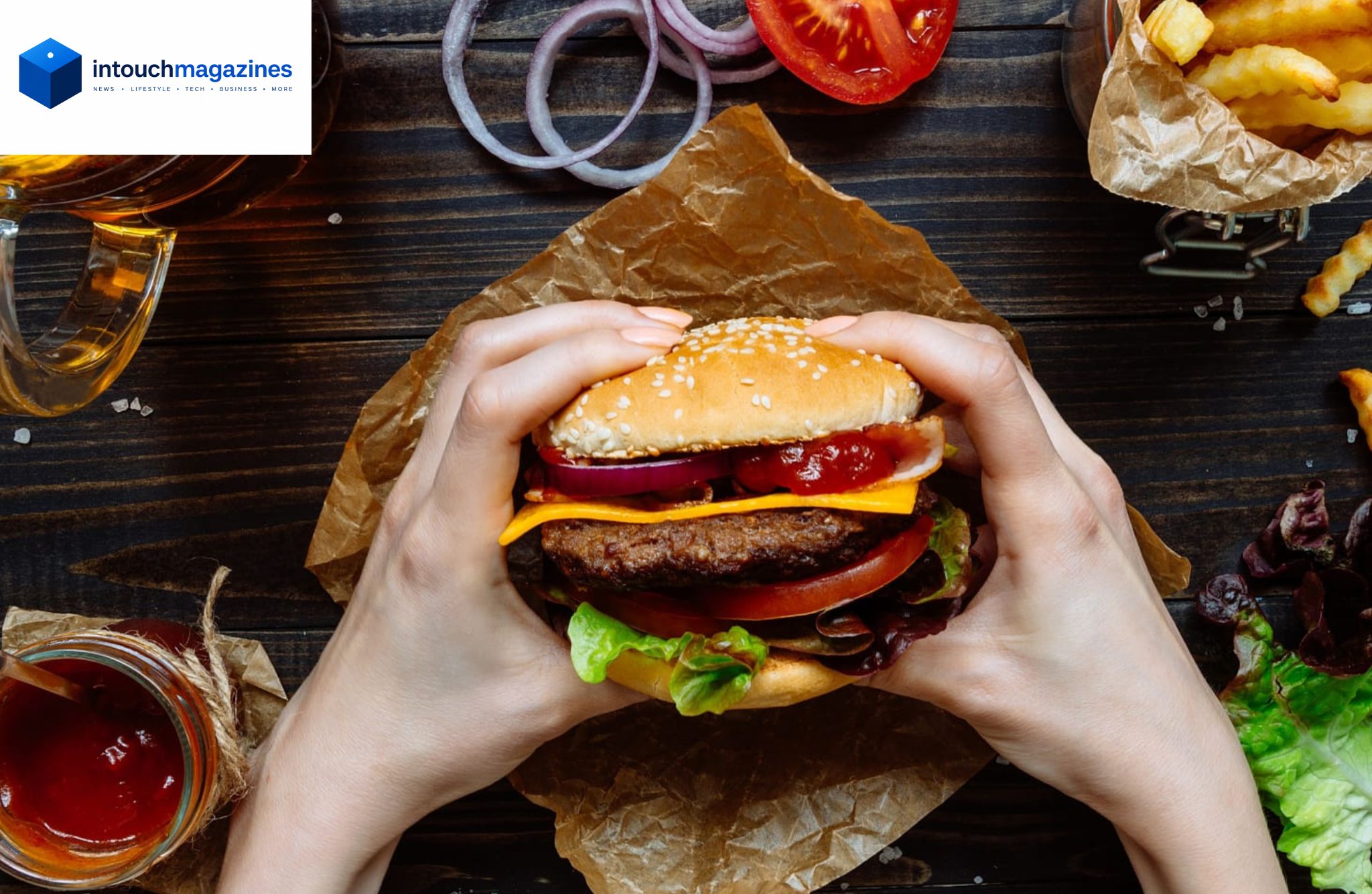
The average American eats fast food multiple times a week, and the U.S. quick-service restaurant industry generates hundreds of billions of dollars annually. Yet despite its constant presence in our lives, most people couldn’t give a precise definition of what actually makes food versus fast casual or takeout. Is it just about speed? Price? The drive-thru?
This guide breaks down exactly what fast food is, where it came from, what it means for your health, and how to navigate it wisely in 2026 without judgment, and without oversimplifying a topic that’s more nuanced than headlines suggest.
What Is Fast Food?
Fast food refers to food that is prepared and served quickly, typically using standardized ingredients and cooking processes, at a relatively low cost. It’s designed for convenience minimal wait times, consistent menu items across locations, and options for eating on the go, whether through a drive-thru, counter service, or delivery app.
The category is often confused with related but distinct dining formats.
Fast Food vs. Fast Casual vs. Quick Service — What’s the Difference?
- Fast food: Lowest price point, drive-thru focused, highly standardized (McDonald’s, Burger King, Taco Bell)
- Fast casual: Slightly higher price, made-to-order elements, no table service (Chipotle, Panera, Shake Shack)
- Quick service restaurant (QSR): The industry’s umbrella term covering both categories above
The key distinctions come down to speed of preparation, ingredient customization, and price not just the type of food served.
A Brief History of Fast Food in America
Fast food’s roots trace back to White Castle, founded in 1921 and widely credited as the first fast food chain in the U.S. It introduced the idea of a simple, standardized menu served fast and cheap.
The real boom came after World War II. Rising car ownership, the growth of suburbs, and interstate highway construction created the perfect conditions for drive-in and drive-thru restaurants. McDonald’s, founded by Richard and Maurice McDonald and later expanded through franchising by Ray Kroc, became the model every competitor would chase.
How Fast Food Became a Cultural Staple
Franchising allowed rapid national expansion without chains needing to fund every location themselves. Combined with aggressive advertising, value pricing, and an emphasis on convenience, fast food became woven into American identity associated with road trips, family outings, and everyday routine.
Is Fast Food Bad for You? Breaking Down the Nutrition Facts
This is where most people’s real questions live. The honest answer: it depends heavily on frequency, portion size, and menu choices.
Typical fast food meals tend to be higher in calories, sodium, saturated fat, and added sugar compared to home-cooked meals largely due to portion sizes, frying methods, and flavor-enhancing sauces. A single combo meal can easily exceed 1,000 calories once fries and a sugary drink are added.
That said, context matters. An occasional fast food meal within an otherwise balanced diet is very different from multiple meals per week built around it.
Healthier Fast Food Options and Menu Hacks
- Choose grilled over fried proteins
- Ask for sauces and dressings on the side
- Swap fries for a side salad or fruit where available
- Use restaurant nutrition calculators or apps before ordering
- Check calorie counts posted on menus a requirement under FDA menu labeling rules for chains with 20+ locations
The Fast Food Industry Today: Trends Shaping 2026
Fast food has changed significantly in the last decade.
- Digital ordering and AI-powered drive-thrus are streamlining speed and accuracy
- Plant-based menu items have expanded across major chains
- Inflation has reshaped value menus, with chains adjusting pricing strategies to retain budget-conscious customers
- Labor automation, from kiosks to kitchen robotics, is reducing wait times further
How Fast Food Chains Are Responding to Health-Conscious Consumers
Menu transparency has become a competitive advantage. Chains increasingly publish allergen information, offer smaller portion sizes, and highlight lower-calorie options to meet demand from health-conscious diners who still want convenience.
How to Make Smarter Fast Food Choices
- Check nutrition information before you order, not after
- Customize orders to reduce sodium and added sugar
- Balance fast food meals with vegetables and protein elsewhere in your day
- Treat fast food as an occasional convenience rather than a dietary default
Frequently Asked Questions
Any food prepared quickly using standardized methods and served at low cost, typically through counter or drive-thru service.
Grilled chicken items, salads with light dressing, and meals with vegetable sides tend to be the healthier choices at most chains.
General dietary guidance suggests limiting fast food to occasional meals rather than a daily habit, though individual needs vary.
Fast food refers to a service model (quick preparation, standardized menu), while junk food refers to nutritional quality low nutrient density and high calories. The two often overlap but aren’t identical.
The Bottom Line
Fast food isn’t inherently “good” or “bad” it’s a category defined by convenience, speed, and consistency. Understanding what’s actually in your meal, and making informed choices about frequency and customization, matters far more than blanket avoidance or unquestioning habit.


1 Comment
Pingback: Best Dog Foods for Sensitive Stomach: Complete Buying Guide