


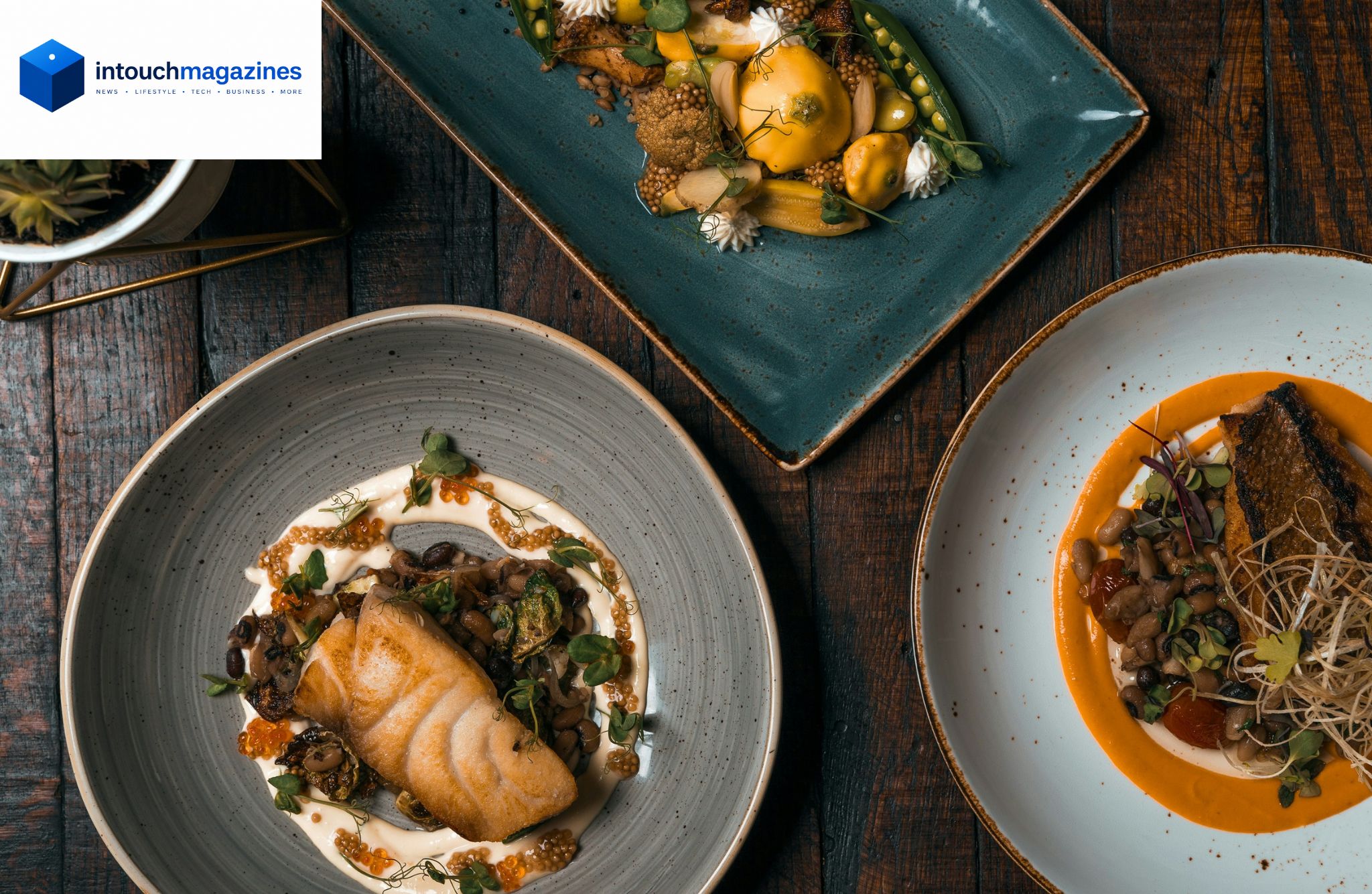
Imagine circling the globe in a single afternoon not by plane, but by plate. In Tokyo, steam rises from a bowl of ramen. In Bangkok, a wok hisses with the sharp, sweet tang of pad thai. In Marrakech, the scent of a slow-simmered tagine drifts through a narrow souk. Food often reveals a culture faster than language does. After all, a single dish can carry centuries of history, trade, migration, and identity in every bite.
This guide takes you on a country-by-country tour of the world’s most popular dishes. These are the meals that define national identity, appear at family tables and street stalls alike, and have often traveled far beyond their borders to become global favorites. So, let’s start in Asia, home to some of the most influential dishes on the planet.
How We Defined “Most Popular”
Before diving in, it helps to explain how we chose the dishes in this guide. After all, “popular” can mean different things depending on context, since a dish beloved locally isn’t always the one most recognized internationally.
For this guide, we selected dishes based on several factors: cultural and national significance, frequent appearances on “national dish” lists, global search interest, and culinary influence beyond the country of origin. In other words, this isn’t a random or purely personal list. Instead, it’s a curated snapshot of the dishes that most consistently represent their countries on the world stage.
Dishes vs. Cuisine vs. Recipes — What’s the Difference?
These three terms often get used interchangeably, but they mean different things. Specifically, a dish is a specific prepared food item served as part of a meal, such as paella. A recipe, meanwhile, is the set of instructions used to prepare that dish. Cuisine, by contrast, describes the broader culinary style or tradition of a region or culture, such as Spanish cuisine as a whole. Overall, understanding this distinction clarifies why a single dish, like biryani, can have dozens of regional recipes while still belonging to one overarching cuisine.
Asia’s Most Popular Dishes
Asia’s culinary landscape is staggeringly diverse, shaped by monsoon climates, ancient trade routes, and centuries of cross-border exchange. As a result, a handful of dishes have risen above the rest to become symbols of their nations.
Japan — Ramen
Ramen traces its roots back to Chinese wheat noodles introduced in the late 19th century, though Japan transformed it into something entirely its own. For example, regional variations abound: shoyu ramen’s soy-based broth in Tokyo, rich tonkotsu pork-bone broth in Fukuoka, and miso ramen’s hearty, fermented-soybean base in Hokkaido. Today, ramen shops function as cultural institutions, drawing dedicated fans who travel across the country to try regional specialties.
Thailand — Pad Thai
Pad thai began as humble street food, then became something closer to a national symbol during a mid-20th-century government campaign to promote a unifying Thai dish. Specifically, stir-fried rice noodles combine with egg, tofu or shrimp, bean sprouts, and a distinctive tamarind-based sauce. Thanks to its balance of sweet, sour, and savory flavors, it has become one of the most recognizable Southeast Asian dishes worldwide.
India — Biryani
Biryani’s roots trace back to Mughal-era royal kitchens. Today, it exists in dozens of regional forms, including Hyderabadi biryani with its layered rice and marinated meat, Lucknowi biryani with its gentler dum-cooking method, and Kolkata biryani with its distinctive addition of potato. Despite the variations, biryani remains one of the most ordered and celebrated dishes across South Asia.
China — Dumplings (Jiaozi) and Dim Sum
Dumplings carry deep symbolic weight in Chinese culture and are often associated with prosperity and family reunion, especially during Lunar New Year celebrations. Meanwhile, dim sum the broader tradition of small steamed or fried dishes served with tea showcases incredible regional diversity, from Cantonese har gow to Shanghainese soup dumplings, or xiaolongbao.
South Korea — Kimchi and Bibimbap
Koreans consider kimchi, the fermented vegetable staple, so central to their identity that they serve it at nearly every meal. Likewise, bibimbap, a bowl of rice topped with seasoned vegetables, meat, and a fried egg, has become a global favorite. Specifically, its perceived health benefits and customizable nature align well with international interest in balanced, plant-forward meals.
Europe’s Most Popular Dishes
European cuisine is defined by strong regional identities, with many dishes tied closely to specific towns, provinces, or historical periods.
Italy — Pasta (Carbonara and Bolognese)
Italy’s pasta culture is fiercely regional, and few dishes generate as much passionate debate as carbonara and bolognese. For instance, traditional carbonara, from Rome, uses eggs, pecorino cheese, guanciale, and black pepper, notably without cream despite common international adaptations. Bolognese, from Emilia-Romagna, is a slow-cooked meat sauce traditionally paired with tagliatelle rather than spaghetti. Overall, these authenticity debates highlight how deeply Italians connect specific preparations to regional pride.
Spain — Paella
Paella originated in the Valencia region as a rice dish cooked over an open fire using local ingredients like rabbit, snails, and beans. Later, the now-famous seafood version developed as the dish spread along the coast. Saffron gives paella its signature color and aroma, and the dish remains closely tied to communal, outdoor cooking traditions.
France — Coq au Vin and Boeuf Bourguignon
Both dishes exemplify France’s ability to elevate rustic, peasant-style cooking into refined culinary tradition. Specifically, Coq au Vin (chicken braised in wine) and Boeuf Bourguignon (beef stewed in red wine with vegetables) both originate from the Burgundy region. In each case, slow cooking allows the dish to develop deep, complex flavor.
Germany and Austria — Schnitzel
Schnitzel, a thin, breaded, pan-fried cutlet, exists in multiple national variations, most famously Austria’s Wiener Schnitzel, traditionally made with veal. As a result, it has become a comfort-food staple across Central Europe, often served with potato salad or lemon.
Greece — Moussaka
Layers of eggplant, spiced ground meat, and a creamy béchamel topping give moussaka its signature richness, reflecting centuries of Ottoman and broader Mediterranean influence on Greek cuisine. Consequently, many food writers cite it as Greece’s most internationally recognized dish.
The Middle East and North Africa’s Most Popular Dishes
This region’s food culture reflects shared ingredients, deep trade history, and, at times, contested ownership between neighboring countries.
Lebanon — Hummus and Mezze Culture
Hummus, a blend of chickpeas, tahini, lemon, and garlic, remains a staple across the entire Levant region, which has led to ongoing debate over which country can claim it as a national dish. Instead of a single dish, however, Lebanese cuisine is often better represented by its mezze culture, a spread of small shared plates that emphasizes hospitality and communal eating.
Morocco — Tagine
Tagine gets its name from the distinctive conical clay pot it’s cooked in, and it refers to a slow-cooked stew that typically combines meat, vegetables, and dried fruit with warming spice blends like ras el hanout. Just as important, the cooking method itself, which allows steam to circulate and tenderize ingredients over low heat, matters as much as the ingredients.
Africa’s Most Popular Dishes
Global food media often overlooks Sub-Saharan Africa’s culinary traditions, despite their depth and diversity.
West Africa — Jollof Rice
Jollof rice, a one-pot tomato-based rice dish, remains beloved across West Africa, and Nigeria and Ghana continue a long-running, good-natured rivalry over whose version reigns supreme. Meanwhile, diaspora communities worldwide have carried the dish’s popularity far beyond the region.
Ethiopia — Injera and Wat
Injera, a spongy sourdough flatbread made from teff flour, serves as both plate and utensil in Ethiopian dining. Specifically, diners use it to scoop up wat, a spiced stew that can be made with meat, lentils, or vegetables. Overall, this communal, hands-on eating style remains central to Ethiopian food culture.
South Africa — Bunny Chow
Bunny chow, which originated among South Africa’s Indian community in Durban, consists of a hollowed-out loaf of bread filled with curry. As such, it stands as a striking example of how migration and cultural fusion produce entirely new national dishes.
Latin America and the Caribbean’s Most Popular Dishes
Mexico — Tacos al Pastor
Tacos al pastor showcase a fascinating culinary fusion. Specifically, Lebanese immigrants introduced the marinated, spit-roasted pork technique to Mexico in the early 20th century, adapting it from shawarma and combining it with local ingredients like pineapple and chili. Today, many consider it one of Mexico’s most iconic street foods.
Brazil — Feijoada
Feijoada, a hearty black bean and pork stew, draws on Portuguese, African, and Indigenous culinary traditions. Traditionally, Brazilians serve it on weekends, and many consider it the country’s national dish. Overall, its slow-cooked preparation reflects a broader Latin American tradition of communal, all-day cooking.
Peru — Ceviche
Ceviche consists of raw fish cured in citrus juice, typically lime, and it reflects Peru’s rich coastal ingredients and Indigenous culinary heritage. Later, Spanish and eventually Japanese immigration further shaped the dish. Today, many consider it one of the most technically refined dishes in Latin American cuisine.
North America’s Most Popular Dishes
United States — Barbecue
American barbecue varies dramatically by region: Texas brisket, Carolina pulled pork, Kansas City ribs, and Memphis dry-rub styles all reflect distinct smoking techniques and sauce traditions. In short, barbecue represents a broader regional cooking philosophy rather than a single dish.
Canada — Poutine
Poutine, which originated in Quebec in the 1950s, combines french fries, cheese curds, and gravy into a dish that has since become a national comfort food. Today, countless modern variations appear across Canadian menus.
How Dishes Reflect Culture and History
The dishes above aren’t random collections of ingredients. Rather, each one reflects a specific intersection of geography, climate, trade, and history. For instance, coastal nations lean on seafood, arid regions developed preservation techniques like fermentation and curing, and trade routes introduced spices, grains, and cooking methods that cooks then adapted to local tastes.
Colonial history and migration have also reshaped global cuisine in ways that aren’t always obvious. For example, chili peppers, now central to much of Asian and African cooking, actually originated in the Americas and spread globally after European contact in the 15th and 16th centuries. Similarly, religious and dietary traditions, including halal, kosher, and various vegetarian practices, have further shaped how cooks prepare dishes across different regions. Ultimately, a dish’s history often reveals a much broader story of human movement and exchange.
Frequently Asked Questions
Dishes like ramen, pizza, pad thai, tacos, and biryani rank among the most globally recognized, thanks to widespread international popularity and adaptation in countries far from their origin.
A dish is a specific prepared food item, while a recipe is the set of instructions used to make it. Cuisine, by contrast, refers to the broader culinary tradition a dish belongs to.
Commonly recommended dishes for first-time exploration include ramen (Japan), paella (Spain), tagine (Morocco), feijoada (Brazil), and biryani (India). Each offers a distinct entry point into its respective culinary tradition.
Examples include ramen or sushi (Japan), paella (Spain), poutine (Canada), feijoada (Brazil), and jollof rice (Nigeria/Ghana), though “national dish” designations are sometimes informal or contested.
Explore Further
Food remains one of the most accessible ways to engage with a culture, even without leaving home. So, start with one unfamiliar dish a week, and seek out recipes from reliable regional sources. Don’t worry about imperfect first attempts, either, since most iconic dishes took generations to refine. Ultimately, the dishes covered here are just a starting point each one opens the door to an entire cuisine worth exploring further.